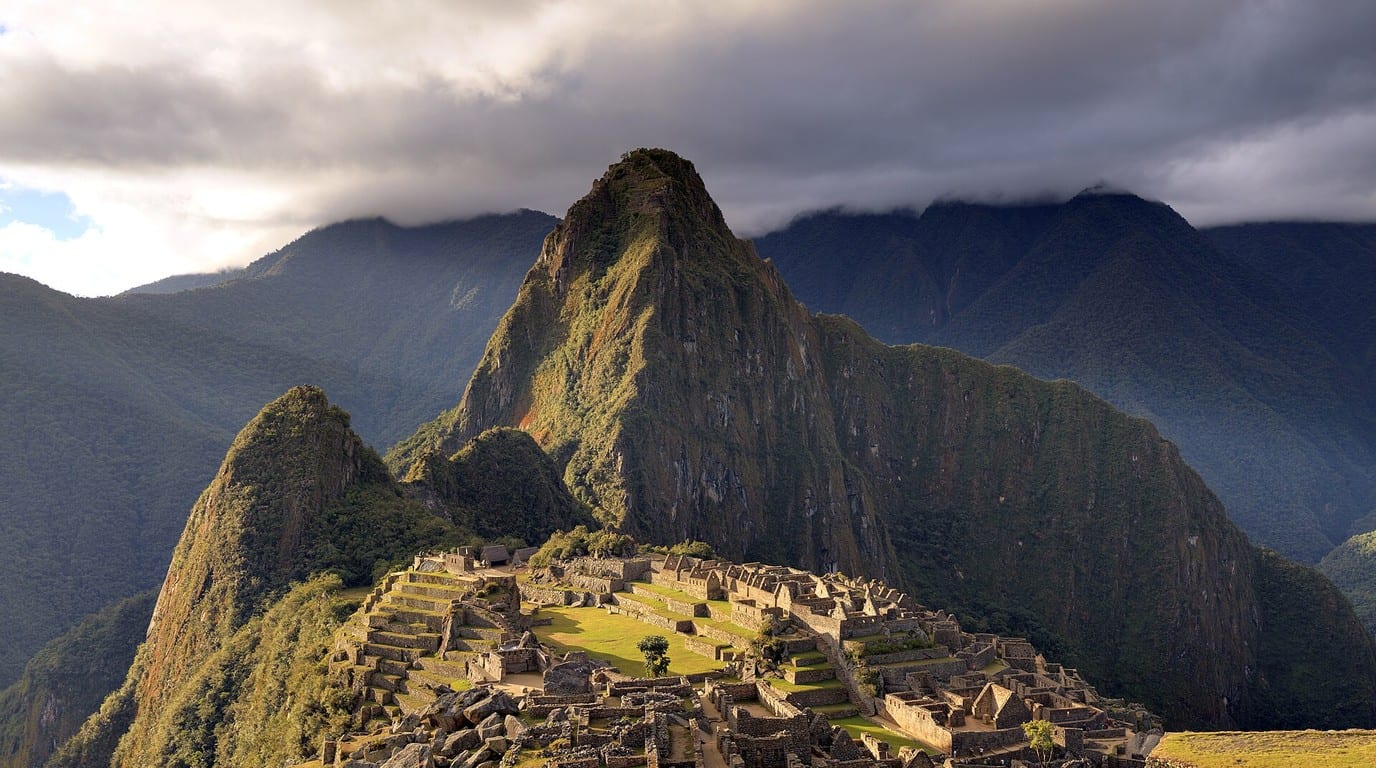
When international travelers think of Peru, their minds immediately visualize stone Inca terraces clinging to the granite peaks of the high Andes.
Yet geographically, over 60% of Peru's national territory is covered by the Amazon rainforest.
Peru contains the second-largest portion of the Amazon basin after Brazil, encompassing some of the most biodiverse, pristine tropical wilderness left on planet Earth.
If you want to add a rainforest expedition to your Peruvian itinerary, you must choose between three distinct geographic gateways:
- Tambopata (Puerto Maldonado) in the southeast.
- Manu National Park along the eastern Andean slopes.
- Iquitos & Pacaya Samiria in the far north.
Choosing the wrong gateway can cost you days of transit or fail to deliver the specific wildlife experience you dreamed of.
Here is the authoritative, guide-tested breakdown to help you pick the right jungle region for your trip.
Three-Way Master Comparison Matrix
← Desliza horizontalmente para comparar columnas →
| Category | Tambopata (Puerto Maldonado) 🦜 | Manu National Park 🌿 | Iquitos & Pacaya Samiria 🐬 |
|---|---|---|---|
| Primary Attraction | Massive macaw clay licks, oxbow lakes, canopy walks | Pristine virgin biosphere, rare mammals, indigenous culture | The actual Amazon River, pink river dolphins, luxury cruises |
| Transit from Cusco | 45-minute direct flight (to Puerto Maldonado) | 9 to 11-hour rugged overland 4x4 + boat drive | Requires flying via Lima (no direct Cusco flight) |
| Ideal Trip Duration | 3 to 4 days (Perfect extension) | 5 to 8 days (Deep expedition) | 4 to 6 days (Riverboat cruise or lodge) |
| Travel Comfort Level | High (Comfortable eco-lodges, electricity, Wi-Fi) | Basic to Moderate (Expedition camps & rustic lodges) | Luxury to Moderate (World-class cruise ships & lodges) |
| Pink River Dolphins? | No (Not found in these rivers) | No (Not found in these rivers) | Yes (Abundant in Amazon & Pacaya Samiria) |
| Giant River Otters? | Yes (Abundant at Lake Sandoval) | Yes (Cocha Salvador) | Rare (Deeper reserves only) |
| Best Suited For | Couples, families & standard vacations | Serious birders, biologists & adventurers | River cruisers, luxury travelers & water lovers |
1. Tambopata: The Smartest Pairing with Cusco
If your primary focus is visiting Machu Picchu and Cusco, Tambopata is overwhelmingly the most practical and rewarding Amazon destination:
- The Logistics: Commercial flights depart Cusco Airport (CUZ) and touch down at Puerto Maldonado (PEM) in just 45 minutes. You step off the plane, board a private riverboat at the port, and cruise down the Madre de Dios River to your eco-lodge in time for lunch.
- Lake Sandoval: A tranquil, oxbow lake surrounded by towering aguaje palms. You drift in silence aboard non-motorized wooden canoes, observing a resident family of endangered giant river otters (Pteronura brasiliensis) hunting fish, six-foot black caimans basking in the shallows, and hundreds of red howler monkeys roaring in the canopy.
- The Macaw Clay Licks (Colpas): The world-famous Chuncho and Colorado clay licks, where hundreds of brilliant scarlet, green-winged, and blue-and-gold macaws gather at dawn to ingest mineral-rich clay that neutralizes dietary toxins.
- The Lodges: Properties like Inkaterra Reserva Amazónica, Posada Amazonas, and Refugio Amazonas combine sustainable thatch architecture with private plunge pools, five-star Peruvian dining, and hanging canopy bridges 30 meters above the forest floor.
2. Manu National Park: The Deep Biological Expedition
If Tambopata is a curated wildlife safari, Manu is raw, untamed biological wilderness.
Covering nearly 1.7 million hectares from 4,000-meter Andean paramo grasslands down to lowland primary rainforest, Manu holds world records for biodiversity: over 1,000 species of birds, 1,300 species of butterflies, and 15,000 species of vascular plants.
- The Transit Reality: There are no commercial airports in Manu. Reaching the reserved zone requires an entire day of driving from Cusco (9 to 11 hours) across winding mountain dirt roads, passing through the cloud forest where you can watch Peru's national bird—the bright orange Cock-of-the-Rock (Rupicola peruvianus)—perform mating dances, followed by 4 to 8 hours in a motorized dugout canoe down the Madre de Dios and Manu rivers.
- The Wildlife: Unmatched. You have genuine chances of spotting elusive jaguars sunbathing on sandy riverbanks, 13 species of primates, tapirs, and rare harpy eagles.
- Who it is for: Travelers who have at least 6 to 8 dedicated days, do not mind rustic field camps without electricity, and prioritize biological authenticity over plush spa treatments.
3. Iquitos & Pacaya Samiria: The Mighty River & Luxury Cruises
Located in the far northeastern corner of Peru, Iquitos is the largest city on Earth unreachable by road. It is surrounded entirely by water and jungle, accessible only by aircraft or days on river cargo boats.
- The River Experience: Unlike Tambopata and Manu (which are located on tributary rivers), Iquitos sits directly on the Amazon River itself, near where the Marañón and Ucayali rivers merge to birth the greatest river on the planet.
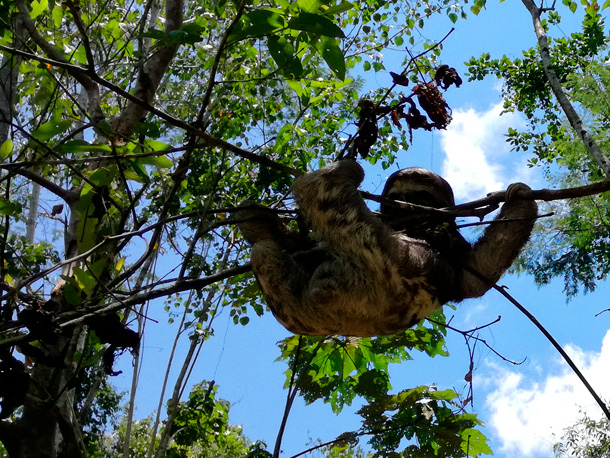
- Pacaya Samiria National Reserve: Known as the "Jungle of Mirrors," this massive 2-million-hectare flooded forest reflects the sky like black glass. It is home to pink river dolphins (Inia geoffrensis), three-toed sloths, green anacondas, and paiche (giant prehistoric freshwater fish weighing up to 200 kg).
- Luxury Boutique River Cruising: The premier way to experience Iquitos is aboard luxury floating boutique ships (such as Aqua Expeditions or Delfin Amazon Cruises). You sleep in floor-to-ceiling glass panoramic suites, enjoy gourmet Amazonian-Nikkei gastronomy crafted by celebrity chefs, and embark on daily skiff excursions to swim near pink dolphins.
Wildlife Realities: Clay Licks, Pink Dolphins & Anacondas
Quick Decision Guide by Wildlife Wishlist:
- If your dream is seeing hundreds of giant macaws and parrots feeding on red clay cliffs: Choose Tambopata.
- If your dream is swimming with wild pink river dolphins from a luxury riverboat: Choose Iquitos.
- If your dream is seeing a wild jaguar on a pristine riverbank and 500+ bird species: Choose Manu.
- If you want to see giant river otters, caimans, and monkeys with only 3 days to spare: Choose Tambopata.
Health & Vaccines: Yellow Fever, Malaria & DEET Facts
- Yellow Fever: The Peruvian Ministry of Health and CDC recommend the single-dose Yellow Fever vaccine (Stamaril) for all travelers visiting the Amazon basin below 2,300 meters. Receive the injection at least 10 days prior to arrival.
- Malaria: The risk of malaria in standard tourist eco-lodges around Puerto Maldonado (Tambopata) and luxury cruise routes in Iquitos is exceptionally low. Most commercial travelers do not take prophylactic antimalarials, relying instead on physical mosquito protection. If venturing deep into Manu's reserved zone, consult your travel doctor.
- Insect Repellent: Bring a repellent containing 30% to 50% DEET or Picaridin. Apply sunscreen first, wait 20 minutes, and apply bug spray over your clothes.
- Footwear: Quality lodges provide heavy knee-high rubber boots for muddy forest walks. Pack tall, moisture-wicking athletic socks to prevent boot chafe.
Frequently Asked Questions (FAQ)
Can I visit the Amazon with young children?
Yes! Tambopata is exceptionally family-friendly. Properties like Posada Amazonas feature gentle trail walks, canopy towers, interactive native farm visits, and child-friendly biology activities.
Is the Amazon hot and humid year-round?
Yes, average temperatures hover around 28°C to 33°C (82°F to 91°F) with 80%+ humidity. However, between May and August, cold Antarctic polar fronts called friajes occasionally sweep up from Patagonia, dropping temperatures to 12°C (54°F) for 2 to 3 days. Always pack one fleece layer.
Can I charge my phone and camera in the jungle?
Most modern eco-lodges operate quiet generators or solar battery banks providing electricity to guest rooms during scheduled hours (typically 5:00 AM–8:00 AM, 12:00 PM–2:00 PM, and 5:00 PM–10:00 PM).
Local Team Advice: Rodrigo's Jungle Selection Rule
As our Official Mountain Guide Rodrigo notes:
"If you have 10 to 14 days total in Peru, do not waste four days sitting in long-distance vans to Manu or flying back through Lima to Iquitos. Take the 45-minute hop from Cusco to Tambopata. In three days, you will watch giant otters hunt in Lake Sandoval, listen to the roar of howler monkeys, and stand before red macaws at dawn—giving you the ultimate Amazon experience while keeping your travel effortless."