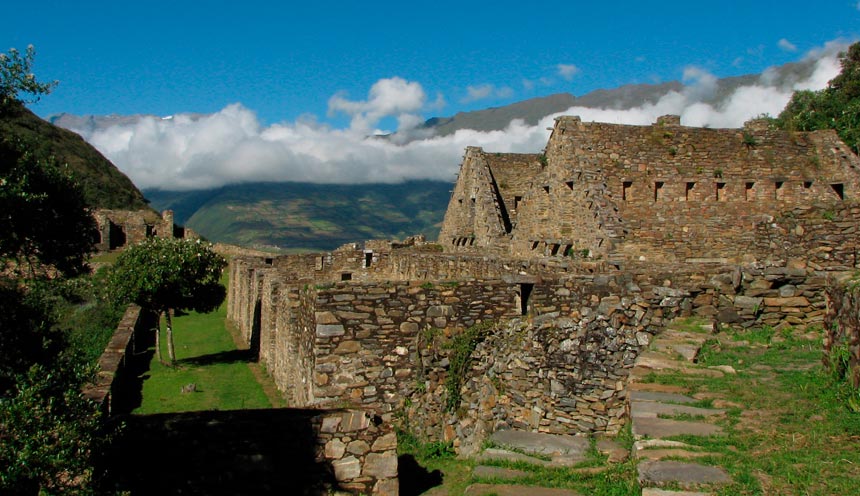
While over 90% of international visitors to Peru funnel down the well-trodden southern spine—Lima, Arequipa, Colca, Puno, and Cusco—an entire ancient world lies draped in perpetual mist across the cloud forests of the northern Andes.
This is the historic realm of the Chachapoyas, the "Warriors of the Clouds." Centuries before the Inca empire expanded beyond the Cusco valley, these fierce highlanders carved colossal limestone citadels along razor-thin mountain ridges, buried their elite dignitaries inside cliff-face sarcophagi overlooking bottomless gorges, and thrived in an ecosystem where the Amazonian rainforest collides with alpine granite peaks.
Today, the Chachapoyas circuit centered around Kuélap Fortress and the colossal Gocta Waterfall stands as Peru’s premier destination for discerning travelers seeking deep archaeological authority, pristine cloud forest biodiversity, and near-zero tourist congestion.
Why Northern Peru: The Anti-Crowd Alternative
To understand the appeal of Chachapoyas, consider the daily visitor volume:
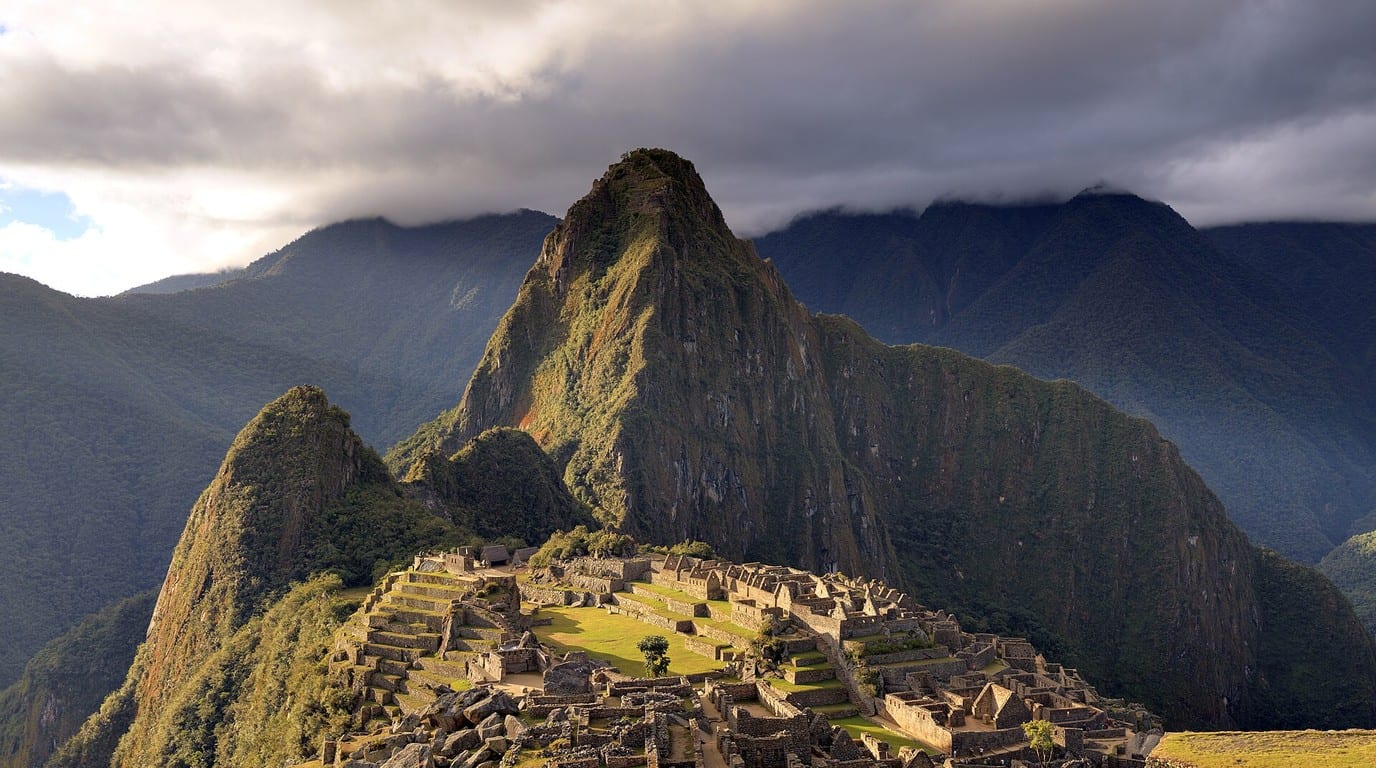
- Machu Picchu: Welcomes up to 4,500 to 5,600 visitors daily under strict, timed circuit slots.
- Kuélap Fortress: Averages fewer than 250 visitors per day across an archaeological footprint substantially larger than Machu Picchu's urban core.
You can stand along the massive limestone ramparts of Kuélap at 10:00 AM surrounded by bromeliad-laden trees, listening only to the whistle of mountain breezes and the call of Andean toucanets, without a selfie-stick crowd in sight.
Getting There: Flights via Jaén vs. Direct to CHH
Chachapoyas sits in the Department of Amazonas, tucked deeply into the Utcubamba river canyon. Accessing this remote sanctuary requires strategic logistical planning:
Option A: Jet Flight Lima to Jaén + Scenic River Transfer (Standard Route)
The primary commercial gateway is Shumba Airport in Jaén (JAE), serviced daily by LATAM Airbus A320 jets from Lima (1h 25m flight).
- From Jaén, paved asphalt highways follow the Marañón and Utcubamba rivers directly to Chachapoyas town.
- Drive Duration: 3.5 to 4 hours in a comfortable private transfer or reputable shared tourist shuttle.
- Elevation Drop & Climb: You land in warm sub-tropical Jaén at 730m (2,395 ft) and ascend steadily through stunning canyon walls to Chachapoyas at 2,335m (7,660 ft).
Option B: Direct Regional Flight Lima to Chachapoyas (Atsa Airlines)
Regional carrier Atsa Airlines operates scheduled small turboprop aircraft (Bombardier Dash 8 / Fokker 50) directly from Lima into Chachapoyas Airport (CHH).
- Flight Time: Approximately 1 hour 45 minutes.
- Constraint: Flights operate only 2 to 3 times per week, luggage limits are strictly capped at 10 kg (22 lbs) per passenger due to mountain airstrip weight performance, and mountain cloud cover can cause weather delays.
Kuélap Fortress & The Modern Cable Car
Built between 500 AD and 800 AD by the Chachapoyas culture and occupied until their conquest by the Incas in the late 15th century, Kuélap is a staggering engineering masterpiece.
Perched atop a limestone ridge at 3,000 meters (9,842 feet) above sea level, the walled citadel contains over 420 circular stone dwellings adorned with distinctive zigzag and rhomboid friezes, watchtowers, and ceremonial temples (El Tintero).
The Revolutionary Cable Car (Teleférico de Kuélap)
Prior to 2017, reaching Kuélap required a brutal 2.5-hour drive on narrow, unpaved switchback mountain ledges prone to rockfalls.
The installation of South America’s most advanced mountain cable car system transformed the journey:
- Departure Station: Nuevo Tingo town (1,900m / 6,233 ft).
- Transfer Bus: A 10-minute electric shuttle carries you to the boarding terminal at La Malca.
- The Ride: A modern 26-cabin aerial gondola glides silently across 4,000 meters (2.5 miles) of dramatic canyon airspace, ascending over 1,000 vertical meters in just 20 minutes.
- Final Stroll: From the upper disembarkation platform (2,930m / 9,612 ft), a gentle 25-minute paved stone trail through cloud forest leads directly to the monumental outer walls.
The Funnel-Shaped Defensive Entrances
Kuélap's perimeter wall is sheer limestone, reaching heights of up to 20 meters (65 feet). The fortress has only three narrow entrances designed with ingenious military engineering:
- The entryway begins as a wide opening and steadily narrows into a steep, tapering stone funnel allowing only a single warrior to pass at a time.
- Any invading enemy force attempting an assault was forced into single-file vulnerability, easily dispatched from elevated bastions overhead.
Gocta Waterfall: The 771m Cloud Forest Hike
In 2002, German explorer Stefan Ziemendorff and local guides documented the true height of Gocta (Catarata Gocta), locally known as La Chorrera. Measuring 771 meters (2,530 feet) in total drop across two breathtaking sheer tiers, Gocta ranks among the tallest free-falling waterfalls on planet Earth.
The Hike from Cocachimba Village
The traditional trek begins in the peaceful village of Cocachimba (1,800m / 5,900 ft), where several stunning boutique eco-lodges offer direct panoramic views of the falls from your bedroom window.
- Trail Distance: 6 kilometers (3.7 miles) each way (approx. 5 to 6 hours round-trip including photography stops).
- Terrain: Rolling cloud forest trail with moderate ascents and descents along cliff edges, crossing crystalline creeks and wooden footbridges.
- Ecosystem: Dense cloud forest draped with giant tree ferns, wild orchids, bromeliads, and hanging lianas.
- Wildlife: Frequent sightings of Peru’s national bird, the brilliant orange Andean Cock-of-the-Rock (Rupicola peruvianus), alongside the endemic Marvelous Spatuletail hummingbird (Loddigesia mirabilis).
- The Amphitheater: Standing at the base of the lower fall, the sheer roar of 540 vertical meters of crashing water creates a continuous thermal downdraft and glacial mist that soaks you within seconds. Carry a rain jacket or dry poncho in your daypack.
Mule Support Option: Local community associations in Cocachimba offer horse/mule rentals with local handlers (arrieros) for approximately S/ 40 to S/ 50 Soles ($11–$14 USD) each way for travelers who prefer to spare their knees on the uphill trail sections.
Beyond the Big Two: Karajía Sarcophagi & Revash
If you allocate 4 to 5 days in the region, two extraordinary funerary sites complete the Chachapoyas cultural deep-dive:
- The Sarcophagi of Karajía (Purunmachus): Standing 2.5 meters (8 feet) tall, these clay, stick, and grass funerary statues perch high in natural cliff recesses 200 meters above a limestone canyon. Facing eastward toward the rising sun, they were crowned with human trophy skulls and painted in ochre, guarding the mummified remains of Chachapoyas warlords undisturbed for 600 years.
- The Mausoleums of Revash: Situated near San Bartolo, these miniature stone and plaster mortuary "houses" are built into shallow caverns high along sheer rock faces. Painted in vibrant red and cream pigments with gabled roofs, they resemble tiny cliff-hanging villages for the ancestors.
- Leymebamba Museum: Houses over 219 intact Chachapoyas mummies rescued in 1997 from the Laguna de los Cóndores cliff tombs, alongside an extraordinary collection of Incan quipus (knotted counting cords).
Weather, Altitude & Recommended Itinerary
← Desliza horizontalmente para comparar columnas →
| Metric | Detail | Field Reality |
|---|---|---|
| Altitude Range | 1,800m to 3,000m (5,900–9,842 ft) | Mild and comfortable; mild acclimatization needed |
| Dry Season | May through October | Sunny mornings, clear trails, waterfalls flowing moderately |
| Green Season | November through April | Waterfalls at peak roaring volume; afternoon rain showers |
| Recommended Duration | 4 Days / 3 Nights minimum | Allows Kuélap, Gocta, and Leymebamba at an unhurried pace |
The Ideal 4-Day Chachapoyas Itinerary
- Day 1: Morning flight Lima to Jaén. Scenic canyon transfer along the Utcubamba River to Chachapoyas town. Evening stroll around the Plaza de Armas and regional dinner (cecina and loche squash).
- Day 2: Full-day excursion to Kuélap Fortress via the modern Nuevo Tingo cable car. Explore the circular stone dwellings and return to Cocachimba village.
- Day 3: Full-day hike from Cocachimba through the cloud forest to the base of Gocta Waterfall. Afternoon craft beer overlooking the falls.
- Day 4: Morning visit to the Karajía Sarcophagi or Leymebamba mummy museum. Afternoon transfer back to Jaén airport for evening flight to Lima.