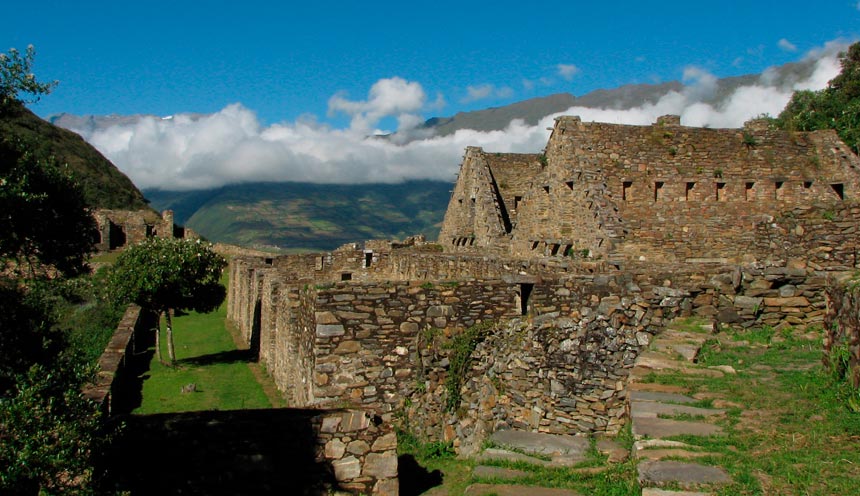
The Wilderness Dilemma: Paved Heritage vs. Raw Incan Frontier
Every trekker planning an expedition to the Peruvian Andes eventually faces this fundamental question: Do you hike the famous paved stone road to Machu Picchu, or do you take on the remote canyon crossing to its lesser-known sister citadel, Choquequirao?
Both routes showcase the engineering genius of the Inca Empire at its peak. Both lead through cloud forest biomes perched high above roaring mountain rivers. Yet, in terms of physical strain, daily crowds, logistical infrastructure, and sheer wilderness authenticity, the two treks are entirely different worlds:
- Classic Inca Trail 4D/3N: The world-famous heritage trek. Paved stone stairways, historical checkpoints, mountain passes, strict government regulation (500 permits per day), human porters carrying all gear, and the dramatic sunrise arrival through the Sun Gate (Inti Punku) directly into Machu Picchu.
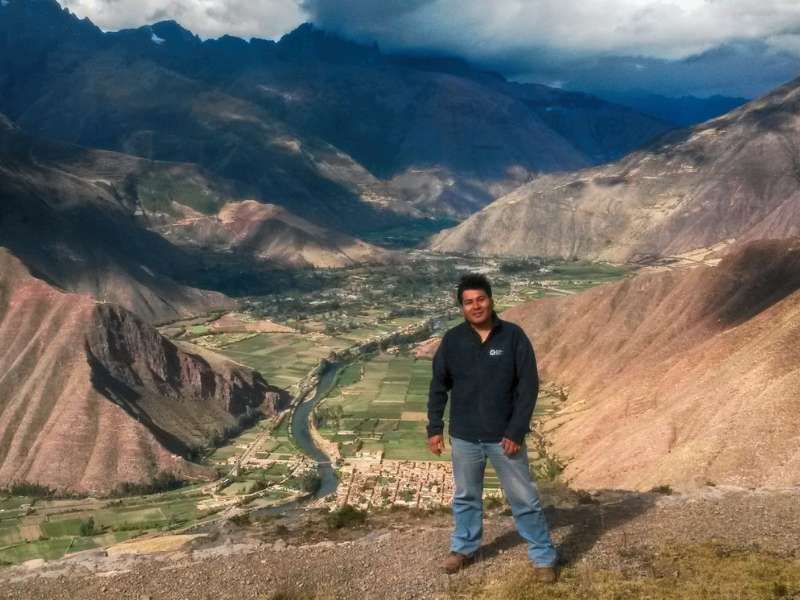
- Choquequirao Expedition 4D/3N: The raw, uncrowded frontier. A dramatic descent of 1,500 vertical meters into the sun-scorched Apurímac River canyon followed by a steep 1,550-meter ascent to an archaeological citadel three times larger than Machu Picchu—with less than 1% of its foot traffic.
Here is our honest, on-the-ground breakdown from collegiate mountain guides who lead expeditions across both routes year-round.
At-a-Glance: Choquequirao vs. Classic Inca Trail
← Desliza horizontalmente para comparar columnas →
| Comparison Dimension | Choquequirao Expedition (4D/3N) | Classic Inca Trail (4D/3N) |
|---|---|---|
| Total Hiking Distance | 44 km (27.3 miles) out-and-back | 42 km (26.1 miles) point-to-point |
| Maximum Pass Altitude | 3,050 m / 10,007 ft (Citadel & Camp) | 4,215 m / 13,828 ft (Dead Woman's Pass) |
| Total Vertical Elevation Gain/Loss | ±3,100 m / ±10,170 ft (Canyon plunge) | +1,800 m / -2,400 m (Staircase passes) |
| Physical Difficulty Rating | 4.5 / 5 (Very Strenuous · High Knee Impact) | 3.5 / 5 (Moderate to Strenuous) |
| Permit Quotas & Booking | NO quota limit · Bought at entrance gate | 500 permits/day · Sold out 4–6 months ahead |
| Crowd Levels | 15 to 30 travelers/day (Total solitude) | 500 travelers & staff/day (Busy trail) |
| Luggage & Support Animal | Pack mules and horses carry all gear | Human porters only (Pack animals banned) |
| Transport Infrastructure | 100% on foot (No train or bus access) | Expedition Train & Consettur bus at exit |
| Campsite Facilities | Basic cold mountain showers & community flush toilets | Designated SERNANP camp blocks & chemical toilets |
| Final Payoff | Vast, silent stone citadel & quartz llama terraces | Wonder of the World citadel & dramatic Sun Gate view |
Vertical Plunge & Microclimates: The Apurímac Canyon Reality
A common misconception among hikers looking at raw elevation charts is that the Classic Inca Trail is harder because its highest pass is higher.
It is true that Dead Woman's Pass (Warmiwañusqa) tops out at 13,828 ft (4,215 m), requiring deliberate acclimatization (which you can test beforehand on our interactive Altitude & Soroche Risk Engine). However, in terms of sheer cardiovascular effort and muscle breakdown, Choquequirao is significantly more punishing:
- The Inverted Vertical Rollercoaster: The Inca Trail is a gradual, continuous climb over stone steps with steady ascents and descents. Choquequirao, in contrast, is an inverted canyon plunge. On Day 1, you start at the Capuliyoc pass (2,900 m / 9,514 ft) and descend 1,500 vertical meters (4,921 ft) of zig-zagging dirt and shale switchbacks directly down to Playa Rosalina (1,500 m / 4,921 ft). Your knees, quadriceps, and toes absorb thousands of pounding steps.
- The Thermal Shock of the Apurímac River: At the canyon rim, the air is crisp, dry, and cool (50°F / 10°C). By the time you reach the river floor at midday, the canyon walls trap heat like an oven, with temperatures frequently reaching 86°F to 90°F (30°C to 32°C).
- The Morning Wall of Marampata: On Day 2, you cross the pedestrian suspension bridge over the thundering Apurímac River and immediately begin a relentless 1,550-meter vertical climb up the opposite canyon wall to the village of Marampata (2,870 m / 9,416 ft). It is 4 to 5 hours of unbroken, steep switchbacks under the tropical morning sun.
Mountain Guide Field Rule: Start hiking out of Chiquisca or Playa Rosalina no later than 5:00 AM. Tackling the lower section of the Marampata wall between 11:00 AM and 1:30 PM is exhausting and significantly increases dehydration risk.
Permit Hassle & Crowd Shock: 500 Daily Travelers vs. Pure Solitude
The difference in crowd density between these two sanctuaries represents the greatest contrast in South American trekking:
- The Inca Trail Permit Scramble: Because the Inca Trail is strictly protected by SERNANP and the Ministry of Culture, only 500 permits per day are issued (including guides, chefs, and porters, which leaves approximately 180 to 200 permits for tourists). For peak months (May through September), permits routinely sell out 4 to 6 months in advance the exact morning government booking opens. If your dates are inflexible and you haven't booked months ahead, the classic route is impossible.
- The Choquequirao Open Frontier: Choquequirao has no permit quota system. Permits are issued upon arrival at the Cachora / Capuliyoc checkpoint by local SERNANP park rangers for S/ 60 PEN (~$16 USD). You can decide to hike next week, next month, or tomorrow without worrying about government lotteries.
- The Solitude Payoff: Along the Inca Trail, you will share campsites with 15 other trekking agencies, hear conversations along the path, and wait your turn at narrow stone staircases. At Choquequirao, you can sit on the ceremonial Usnu mound or walk through the grand Priests' Quarters for three hours and not see a single other human being. The only sound is the roar of the Apurímac River far below and the wind rustling through native Queñua trees.
Expedition Logistics: Pack Mules vs. Porters & Camping Standards
Logistics define the physical comfort of your Andean journey:
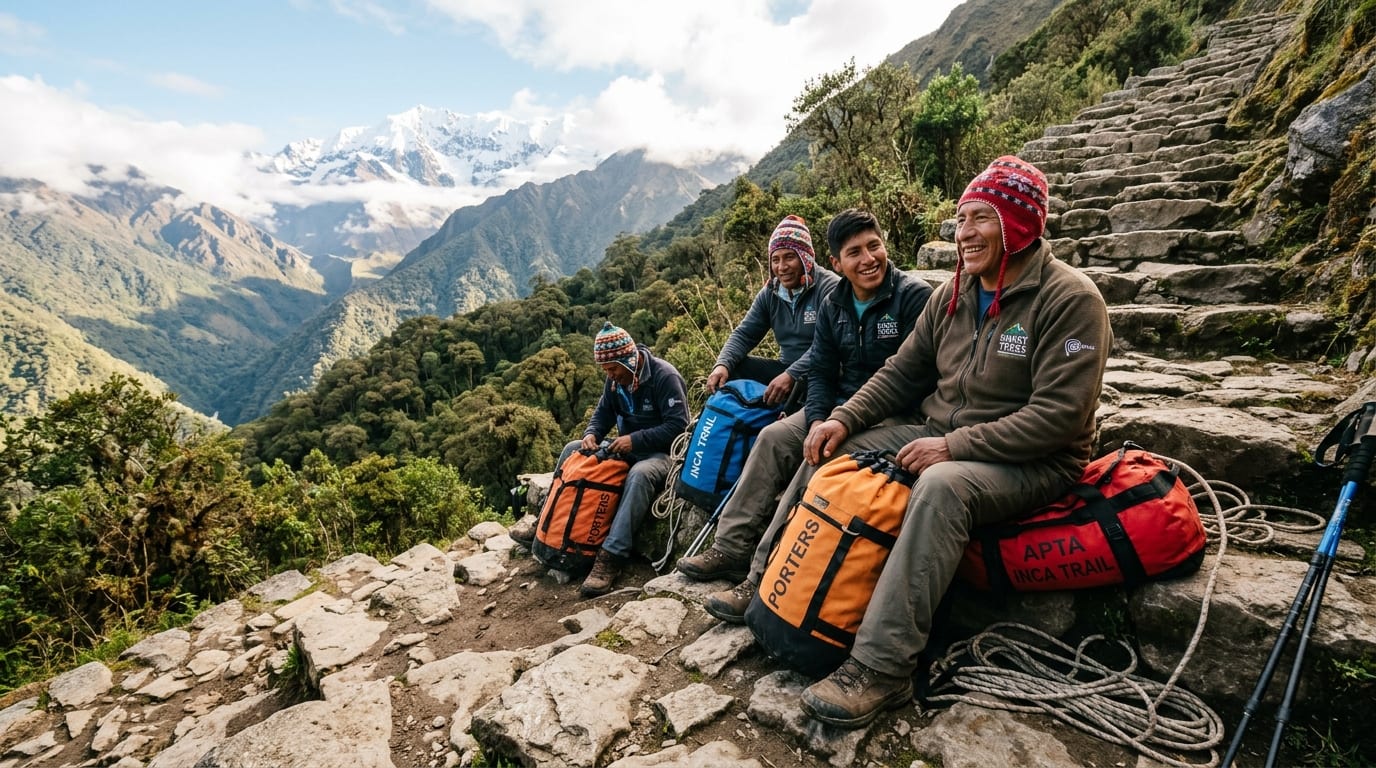
- Inca Trail Porters (Strict Weight Limits): Because the ancient stone steps of the Inca Trail would crumble under hooves, pack animals are strictly prohibited. Every ounce of gear—from 4-season dining tents and propane stoves to dining tables, chairs, and fresh food—is carried on the backs of native Quechua porters. Under Peruvian Porter Welfare Law N° 31614 (read our full Ethical Trekking & Porter Welfare Manifesto), porters are capped at 20 kg on official scales, with 5 kg reserved for personal gear and a maximum of 6 kg allocated for your duffel bag.
- Choquequirao Pack Mules (Generous Duffels): Because the Choquequirao trail follows dirt mule tracks rather than fragile historic stone staircases, expeditions utilize traditional Andean pack mules led by local wranglers (arrieros). Mules carry the heavy expedition camp equipment, safety gear, and fresh provisions, allowing you to carry only a lightweight daypack with water, camera, and rain shell.
- Camp Comfort & Showers: Campsites on Choquequirao (Chiquisca, Marampata, and Choquequirao base camp) are managed by local families. They offer basic cold water showers (often refreshing after the sweltering canyon descent) and rustic stalls selling cold bottled water, electrolyte beverages, and local avocados. Carry small bills in Soles (S/ 5, S/ 10, S/ 20), as no credit card machines exist in the canyon.
The Citadel Payoff: Machu Picchu Wonder vs. Choquequirao's Llama Terraces
Both destinations are architectural masterpieces built under the reign of Incan emperors Pachacuti and Tupac Inca Yupanqui during the 15th century, serving as royal estates and geopolitical bastions:
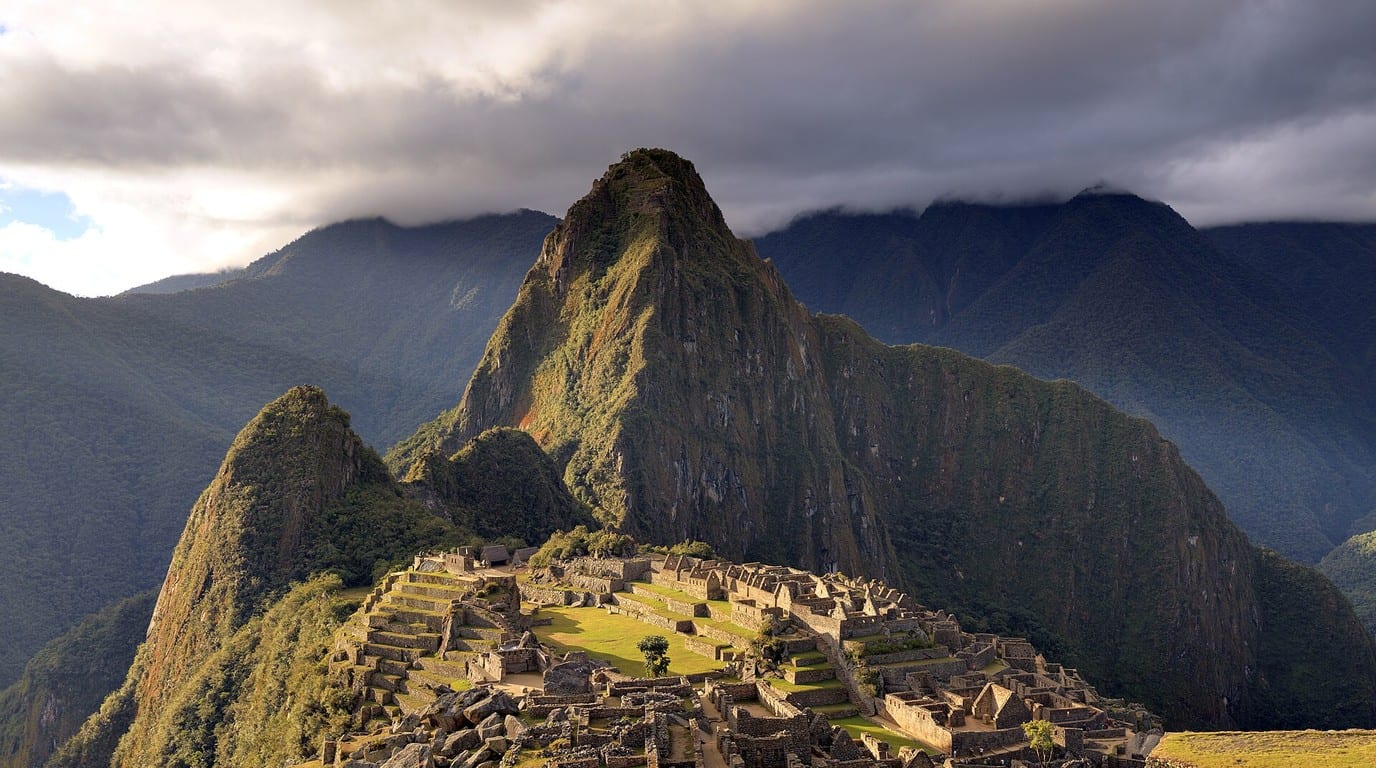
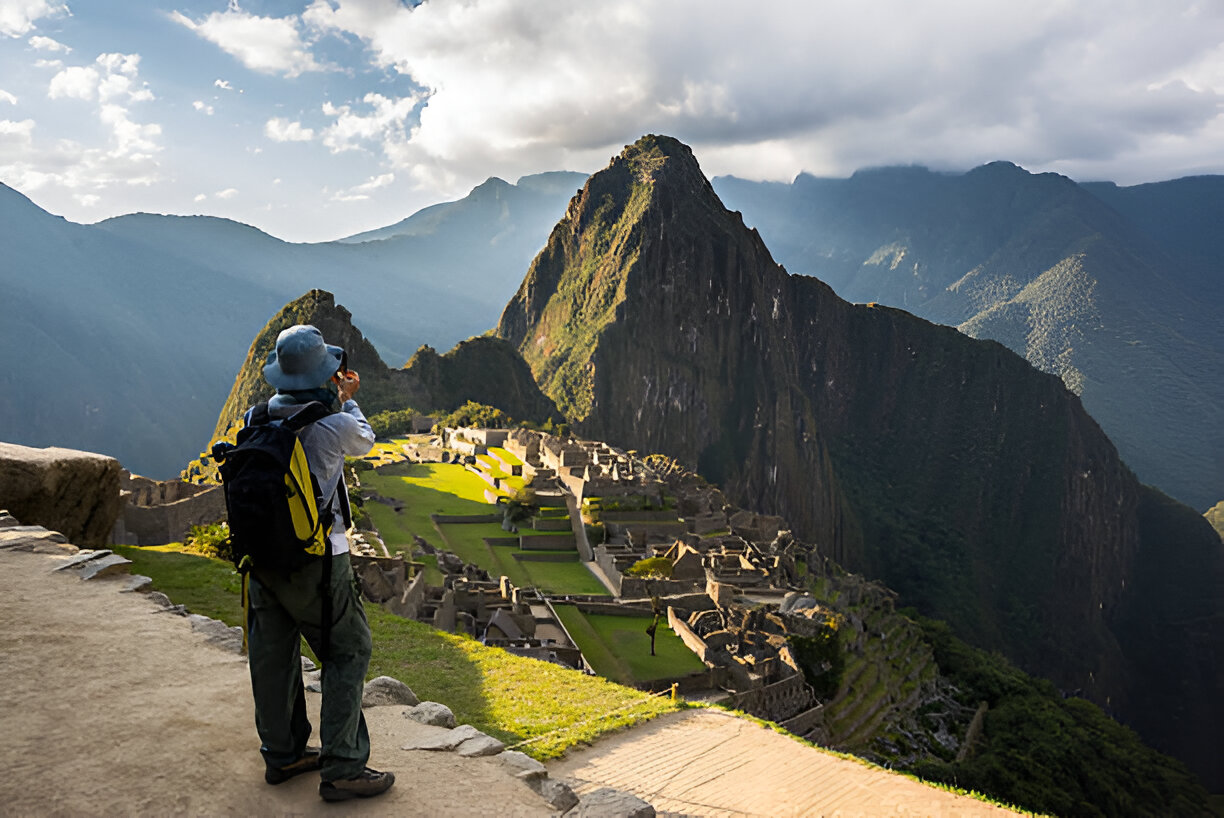
- Machu Picchu (The Polished Masterpiece): The arrival through the Sun Gate (Inti Punku) after four days of hiking is a profound milestone. Machu Picchu is impeccably restored, featuring polished ashlar imperial masonry, the Temple of the Sun, and lush emerald terraces. However, you will share the citadel with thousands of day-trippers who arrived via scenic train from Ollantaytambo and Consettur buses from Aguas Calientes. You must follow strict one-way circuits (learn more in our Machu Picchu Circuits Guide) and cannot freely wander or linger.
- Choquequirao (The Unconquered Sister): Choquequirao was the final mountain redoubt of the Incan royal resistance (Neo-Inca State of Vilcabamba) after the Spanish conquest of Cusco. Archaeological estimates suggest only 30% to 40% of the citadel has been excavated from the dense cloud forest. Its signature architectural feature—unmatched anywhere else in the Incan world—is the Terraces of the Llamas (Llamas del Sol): 24 agricultural terraces where white quartz stone was embedded directly into dark slate walls to form gigantic mosaic figures of alpacas and a shepherd facing the sacred Apurímac valley. You can explore the ruins at your own pace without ropes, security whistles, or crowded circuits.
The Mountain Guide Verdict: Which Trek Should You Conquer?
Choose the Classic Inca Trail 4D/3N IF:
- This is your very first time in Peru and reaching Machu Picchu on foot through the Sun Gate is an irreplaceable bucket-list dream.
- You are planning your trip 4 to 6 months in advance and can secure official permits before they sell out.
- You prefer hiking along historic Incan stone stairways and want the logistical convenience of an expedition train ride back to Cusco at the end.
- You are comfortable hiking in the presence of other trekking groups and designated campsites.
Choose the Choquequirao Expedition 4D/3N IF:
- You are an experienced, self-motivated trekker seeking a real physical challenge with steep, demanding vertical gradients.
- You crave raw wilderness, authentic solitude, and the thrill of exploring a monumental Incan city without tour buses, selfie sticks, or crowds.
- You are booking your journey with less than 3 months of anticipation and cannot secure sold-out Inca Trail permits.
- You want an unhurried, deeply contemplative expedition led by local mountain guides who understand the remote Apurímac ecosystem.