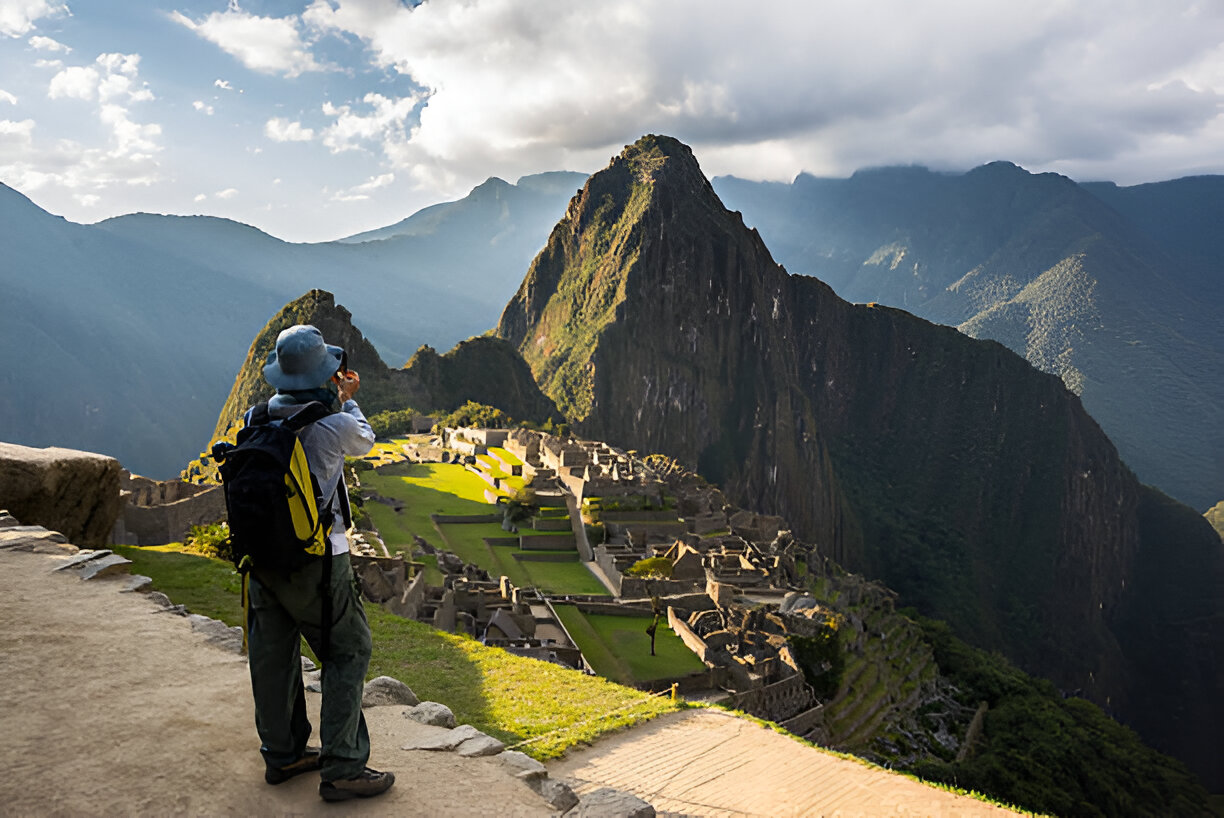
The Core Dilemma: History vs. Alpine Wilderness
When planning a high-altitude trek to Machu Picchu, international travelers inevitably narrow their choices down to two world-renowned routes: the Classic Inca Trail (4 Days & 3 Nights) and the Salkantay Trek (4 or 5 Days).
Both routes culminate at the 15th-century Inca citadel, both traverse dramatic Andean topography, and both demand good cardiovascular fitness. However, the experience on the trail could not be more divergent:
- The Classic Inca Trail 4D: A historic pilgrimage walking on original 500-year-old hand-laid stone flagstones, traversing ancient checkpoints and agricultural terraces, supported exclusively by Quechua porters, and finishing with the iconic sunrise entrance directly on foot through the Sun Gate (Inti Punku).
- The Salkantay Trek 5D: An unconstrained alpine wilderness expedition skirting the towering glaciers of sacred Mount Salkantay (15,190 ft / 4,630 m), sleeping beneath the stars in glass domes, descending into warm sub-tropical coffee valleys, and reaching Machu Picchu via Aguas Calientes town.
Here is the unfiltered ground reality breakdown to help you choose the right trail for your travel dates, physical conditioning, and comfort preferences.
At-a-Glance Comparison: Inca Trail vs. Salkantay
← Desliza horizontalmente para comparar columnas →
| Dimension | Classic Inca Trail (4D/3N) | Salkantay Trek (5D/4N) |
|---|---|---|
| Trail Character | Ancestral paved stone highway | Rugged alpine dirt & scree pass |
| Max Elevation | 4,215 m / 13,828 ft (Dead Woman's Pass) | 4,630 m / 15,190 ft (Salkantay Pass) |
| Oxygen at Highest Point | ~61% of sea level | ~57% of sea level (Noticeably thinner air) |
| Government Permit Cap | Strict 500 persons/day (Sells out 4–6 mo ahead) | No trail cap (Open booking year-round) |
| Support Logistics | Indigenous Quechua porters only (Ley 31614) | Pack horses & mules (Days 1–2) + luggage van |
| Camp Accommodations | Designated national park wilderness tent campsites | Mountain domes, glass cabins & eco-lodges |
| Knee Impact | Severe: Over 3,000 uneven stone steps | Moderate: Steep dirt switchbacks & gravel scree |
| Citadel Arrival | Walk through the Sun Gate on foot | Consettur tourist bus from Aguas Calientes |
| February Season | CLOSED for maintenance every February | Open year-round (Subject to rainy season checks) |
Permit Quotas: 5 Months Ahead vs. Open Booking
The single most critical practical difference is the government permit system:
- Classic Inca Trail: The Peruvian Ministry of Culture strictly caps total daily entries into the trail network at 500 people. Crucially, this 500-quota includes guides, cooks, and porters. In reality, only approximately 180 to 200 tourist permits exist per day for the entire world. During the dry high season (May through September), these permits sell out within hours of release, typically 4 to 6 months in advance. Once the quota reaches zero, no agency can legally add a passenger.
- Salkantay Trek: Because the Salkantay trail traverses communal lands and the buffer zone of the Vilcabamba mountain range outside the restricted Inca Trail sanctuary perimeter, there is no daily trail permit cap. The only permit required is your entrance ticket to Machu Picchu itself on Day 5. As long as citadel tickets or trains have availability, you can book Salkantay just a few weeks or even days in advance.
Altitude & Physical Toll: Dead Woman's vs. Salkantay Pass
- The Salkantay Challenge (Thin Air & Freezing Cold): Salkantay Pass sits at 4,630 m (15,190 ft). That is 415 meters (1,362 ft) higher than Dead Woman's Pass. You are hiking in alpine tundra right beneath hanging glacial seracs. At Soraypampa camp (3,900 m), night temperatures routinely plunge below freezing (25°F / -4°C). If you struggle with acute mountain sickness or extreme cold, Salkantay requires strict 48–72h prior acclimatization in Cusco or the Sacred Valley.
- The Inca Trail Challenge (The Knee-Crushing Stone Steps): While the Inca Trail reaches a lower maximum elevation at Warmiwañusqa (Dead Woman's Pass: 4,215 m / 13,828 ft), the descent is punishing. Day 2 requires descending over 3,000 hand-carved, uneven granite stairs into the Pacaymayo valley. Hiking down stone steps with a daypack creates intense repetitive stress on knees and quadriceps. Trekking poles with rubber tips are mandatory.
Camp Comfort: Quechua Porters vs. Pack Mules
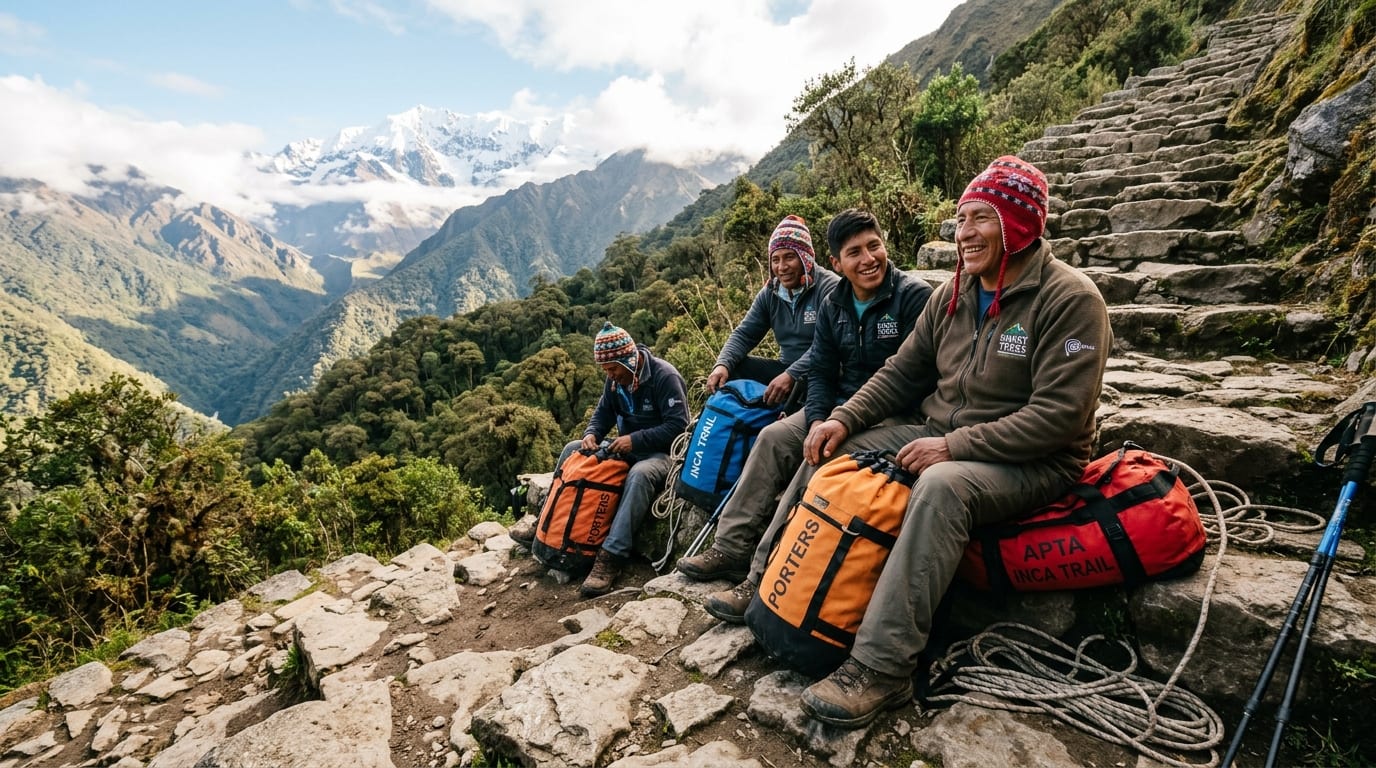
- Inca Trail Porter Culture: Under Peruvian Law 31614 (Ley del Porteador), pack animals are strictly prohibited on the historic stone trails to protect the ruins. All communal equipment—four-season dining tents, chemical toilets, cook stoves, fresh food, and your 5 kg duffel bag—is carried by superhuman Quechua porters from the Sacred Valley communities. At Daspe Travel, our porters receive fair living wages, comprehensive mountain health insurance, warm sleeping pads, and strictly monitored 20 kg scale limits.
- Salkantay Pack Animals & Mountain Camps: On Salkantay, the first two days of camping gear and personal duffel bags are transported by pack horses and mules led by local arrieros. Campsites offer four-season mountain expedition tents with thick insulating sleeping pads, dedicated dining tents with hot meals prepared by our mountain chef, and a final night in an Aguas Calientes hotel with hot showers.
The Arrival: Walking Through the Sun Gate vs. Aguas Calientes Bus
This is the psychological heart of the decision:
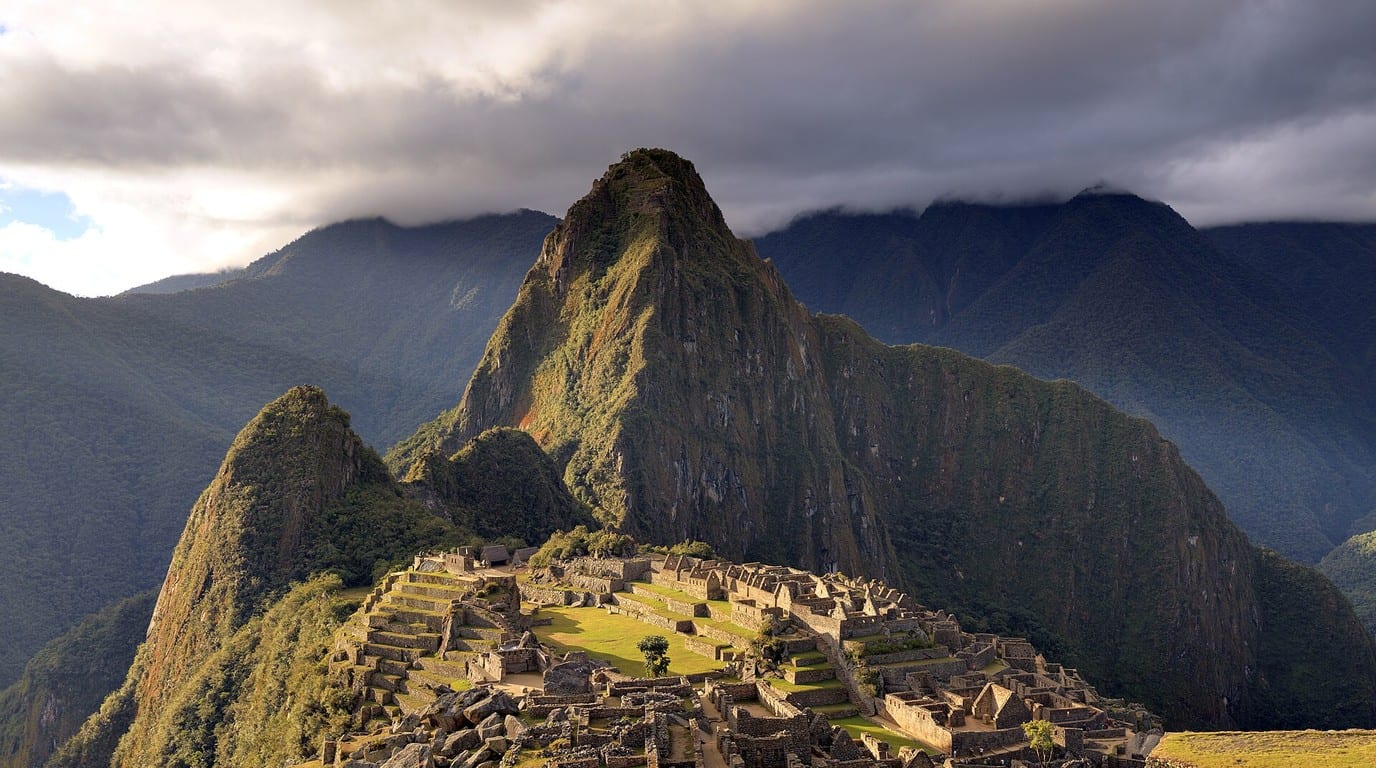
- The Inca Trail Payoff: On Day 4 at dawn, you wake at 4:30 AM at Wiñay Wayna camp and hike the final 2 hours through high cloud forest. As you crest the stone steps of Inti Punku (The Sun Gate), Machu Picchu appears below you framed by morning mist. You are looking down at the ancient city exactly as the Inca emperors did 500 years ago—having arrived entirely on your own two feet without touching a paved road or a motor vehicle.
- The Salkantay Arrival: On Day 4, Salkantay hikers follow the flat railway line from Hydroelectric into Aguas Calientes town, enjoying a hot shower and sleeping in a comfortable hotel. On Day 5 at dawn, you board the green Consettur shuttle bus and ride 25 minutes up the switchback Hiram Bingham road to the citadel main gate, entering alongside day-trippers.
The Cusco Guide Verdict: Which Trek Should You Book?
- Book the Classic Inca Trail (4 Days) IF: You want the deep historical immersion of touching original Inca masonry, you dream of walking through the Sun Gate on foot, you can plan your trip 4 to 6 months in advance, and your knees can handle thousands of downhill stone stairs.
- Book the Salkantay Trek (4 or 5 Days) IF: Inca Trail permits are sold out for your dates, you prefer raw glaciated peaks and turquoise lakes over stone ruins, you want the challenge of crossing the 4,630m alpine pass, and you want booking flexibility without multi-month waiting lists.