When travelers arrive in Cusco, they often assume Spanish is the sole indigenous currency of communication. While nearly all highland residents speak Spanish, the true beating soul of the Andes remains Runasimi—the ancestral language of the Inca empire, universally known today as Quechua.
Far from being an archaeological relic preserved only in museum archives, Quechua is a dynamic, living language spoken by over 4 million Peruvians (and nearly 8 to 10 million across Bolivia, Ecuador, and southern Colombia). It is recognized as an official co-language in Peru's national constitution.
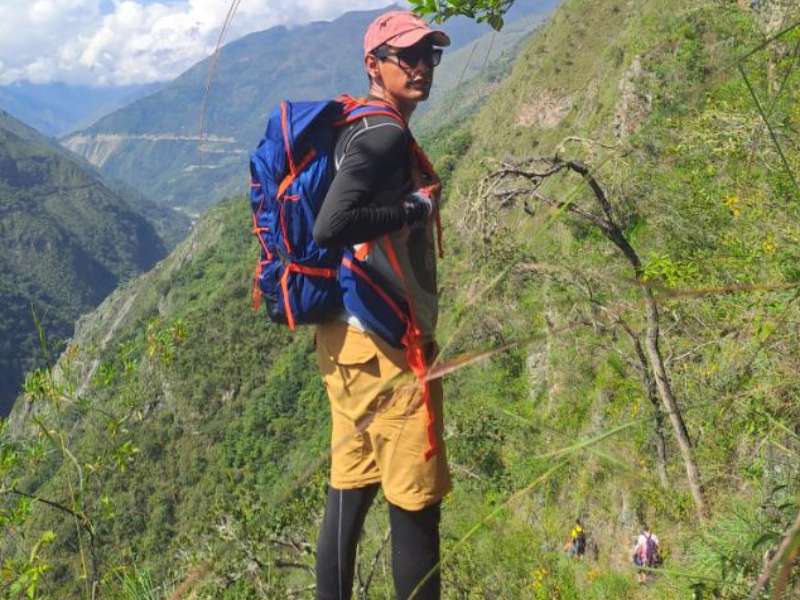
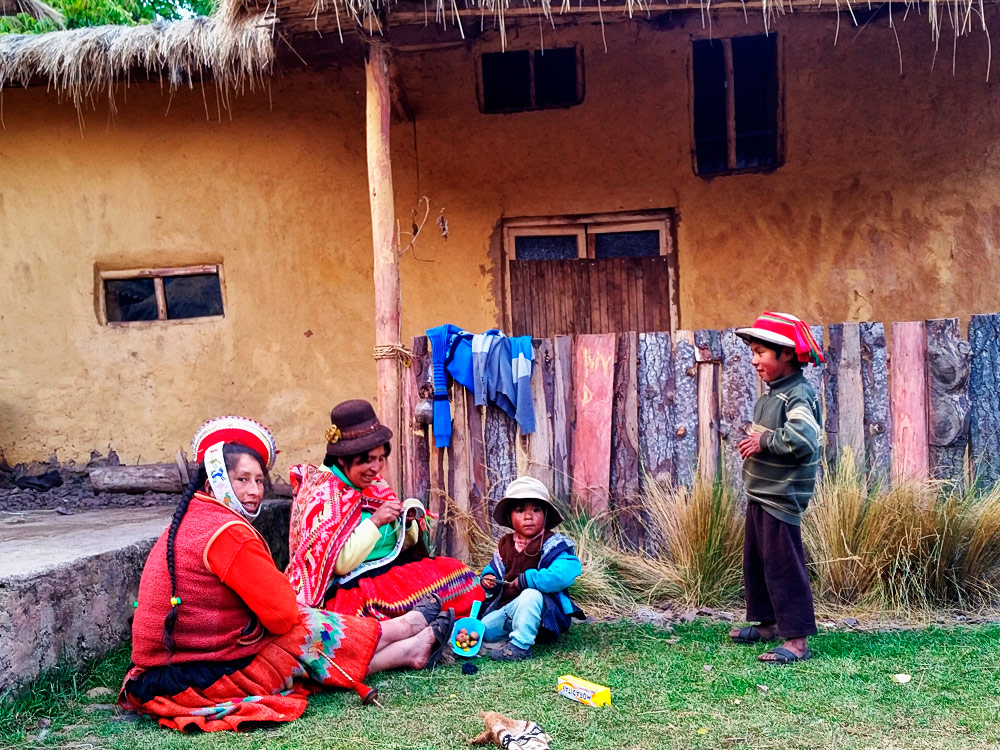
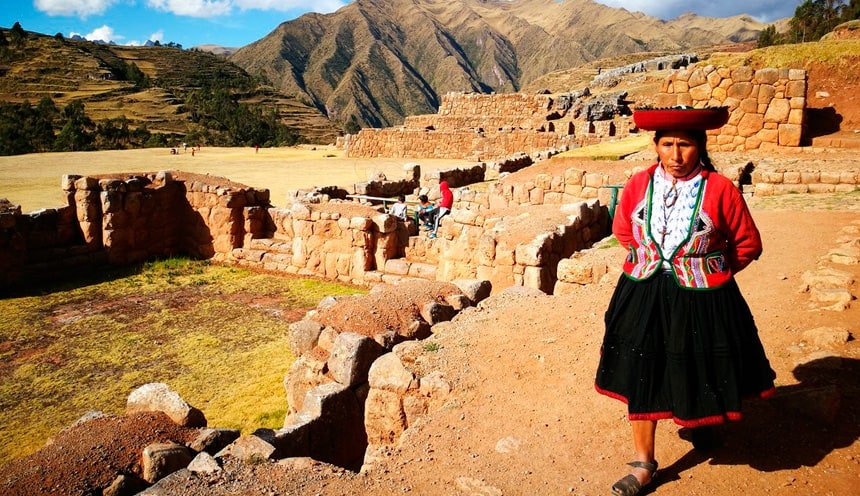
For travelers hiking the Inca Trail, wandering rural Sacred Valley markets, or exploring high alpaca pastures around Ausangate, speaking even half a dozen authentic Quechua phrases alters your travel reality. It signals to local porters, horse handlers (arrieros), and master weavers that you see them not as colorful photo backdrops, but as dignified custodians of an extraordinary living civilization.
Everyday Greetings: How to Greet Porters & Weavers
Quechua is an agglutinative, musical language characterized by soft glottal stops and deep emotional warmth. Here are the core greetings you will use daily:
← Desliza horizontalmente para comparar columnas →
| Quechua Phrase | Phonetic Guide | English Meaning | Field Context |
|---|---|---|---|
| Allianllachu? | ah-yee-on-yah-choo | "Are you well? / How are you?" | The universal greeting upon meeting anyone along a mountain trail or in a village. |
| Allianmi! | ah-yee-on-mee | "I am well!" | The expected joyful reply to Allianllachu. |
| Qamri? | kham-ree | "And you?" | Bouncing the greeting back with respect. |
| Rimaykullayki | ree-my-koo-yah-kee | "Formal greetings to you" | Deeply respectful greeting to village elders or spiritual leaders. |
| Tupananchiskama | too-pah-nahn-chees-kah-mah | "Until we meet again" | The traditional farewell (there is no word for a permanent "goodbye" in Quechua). |
Expressing Real Gratitude: Sulpayki vs. Añay
Gratitude in Andean culture is a spiritual obligation. Two primary words convey appreciation:
- Sulpayki (sool-pie-kee): The most common word for "Thank you" across the Department of Cusco. Use this when a porter sets down a warm cup of coca tea at your tent flap, when a driver navigates a tricky mountain bend safely, or when an artisan wraps a handmade textile.
- Añay (ah-nye): A deeper, classical Quechua expression of heartfelt gratitude. It translates closely to "I receive this blessing with an open heart." Using Añay when thanking a village elder or host family on Amantaní Island evokes warm smiles and reciprocal nods.
Sacred Geography & Cosmovision: Apu, Pachamama & Chakana
To appreciate your trek through the Andes, you must understand how the Quechua language conceptualizes the natural landscape:
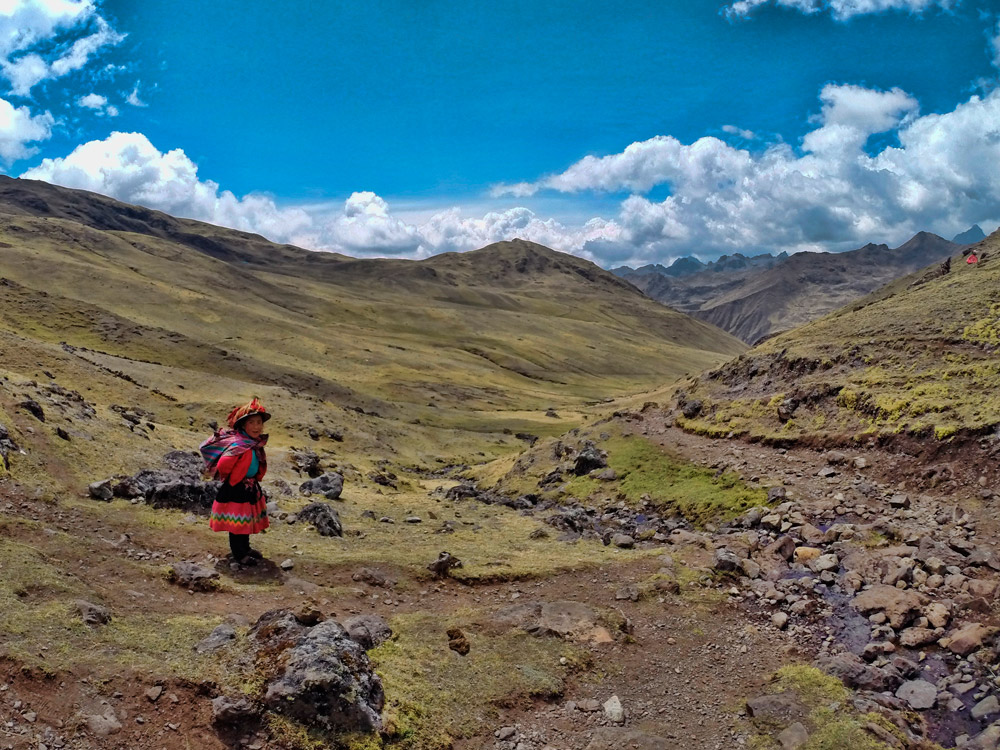
- Apu (ah-poo): The sacred spirit living within a mountain peak. Mountains like Ausangate, Salkantay, and Veronica are not inert piles of granite; they are living ancestral protectors. Porters make brief silent prayers to the Apus before crossing high mountain passes.
- Pachamama (pah-chah-mah-mah): Mother Earth, time, and universal cosmos. She sustains all biological life. Before taking a sip of pisco or chicha de jora, highlanders tip a few drops onto the soil as Challa—giving back the first drink to Pachamama.
- Chakana (chah-kah-nah): The stepped Andean Southern Cross. A three-tiered geometrical symbol representing the three planes of existence:
- Hanan Pacha: The upper celestial world (symbolized by the Condor).
- Kay Pacha: The earthly human realm of here and now (symbolized by the Puma).
- Uku Pacha: The interior subterranean realm of seeds and ancestors (symbolized by the Serpent).
The Concept of Ayni: The Heartbeat of High-Andean Society
If you remember only one Andean philosophical concept, let it be Ayni (eye-nee).
Translated succinctly as "Sacred Reciprocal Solidarity," Ayni is summarized by the ancient proverb:
"Hanan ayni, qhipan ayni" — Today for you, tomorrow for me.
In high-altitude farming and trekking communities where severe weather makes survival impossible for an isolated individual, Ayni dictates that neighbors build each other’s houses, harvest each other’s potato fields, and carry each other’s burdens without monetary exchange. When you treat your trekking crew with equitable dignity, fair tips, and heartfelt respect, you participate directly in the ancestral ethics of Ayni.
Practical Trail & Market Words with Phonetics
Keep these quick vocabulary words handy during your journey:
- Choclo (choh-cloh): Giant-kernel boiled Andean white corn.
- Inti (een-tee): The Sun deity.
- Killa (kee-yah): The Moon.
- Urpi (oor-pee): Dove / Little bird (often used as a term of endearment).
- Wasi (wah-see): House or home.
- Yaku (yah-koo): Fresh water.
- Mayu (mah-yoo): River (Wilkamayu = The Sacred River / Urubamba).
- Munay (moo-nye): Love, beauty, and noble willpower.
- Yachay (yah-chye): Knowledge and intellect.
- Llank'ay (yahn-kye): Physical work and dedicated labor.