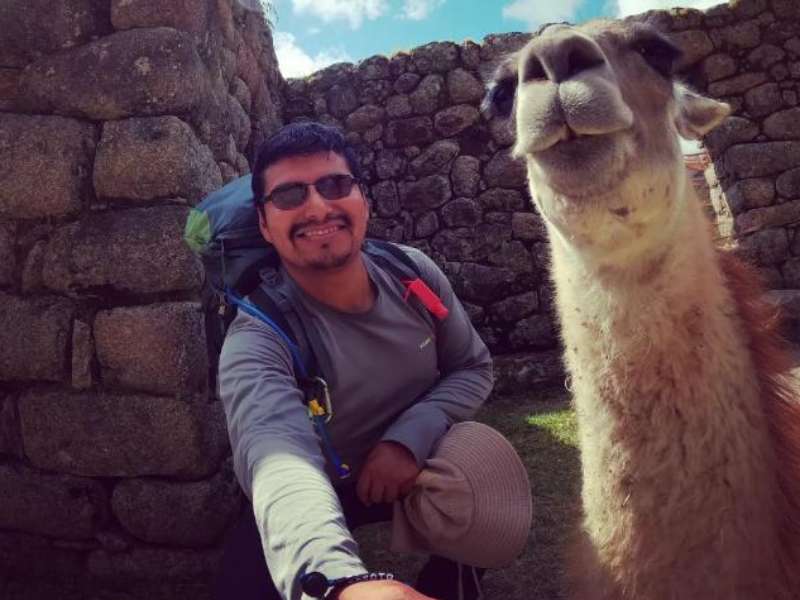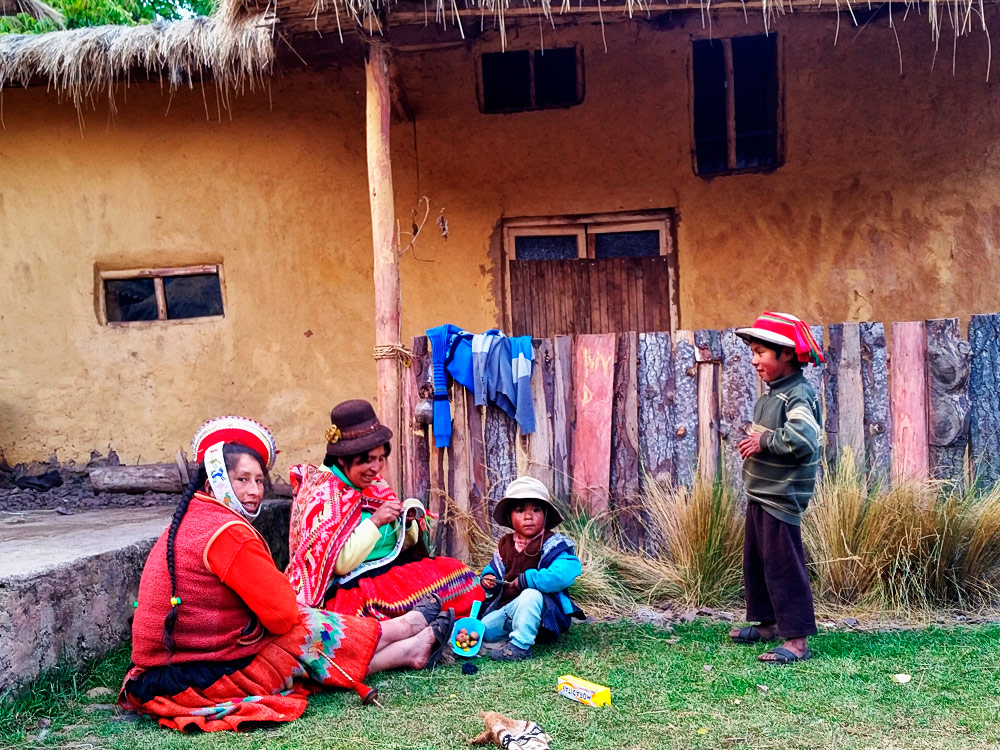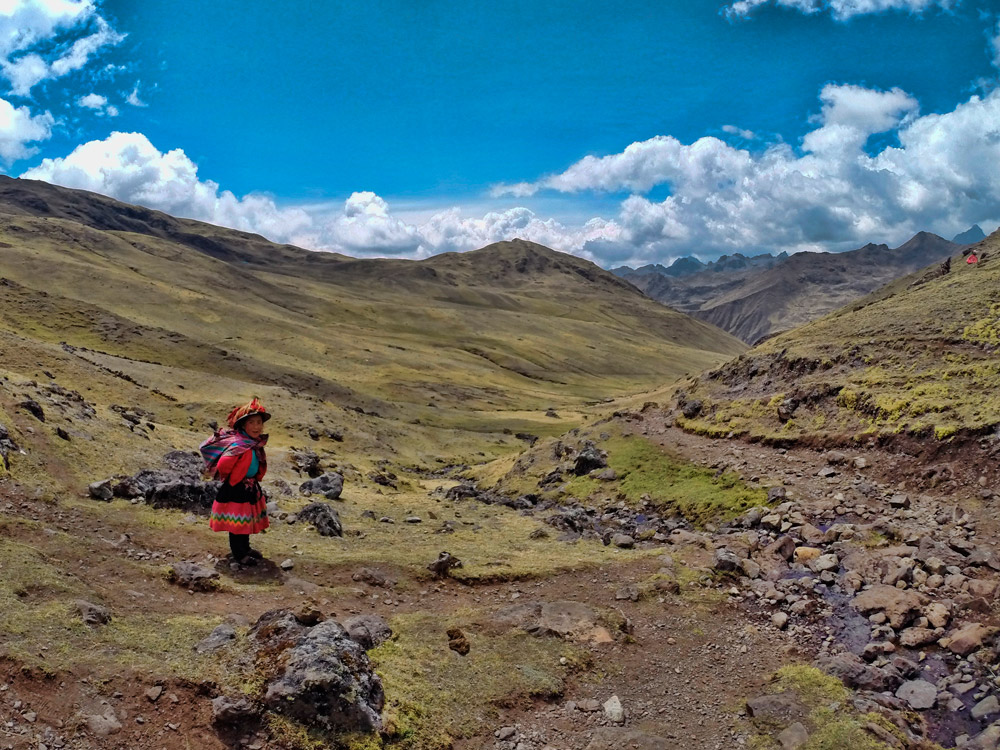
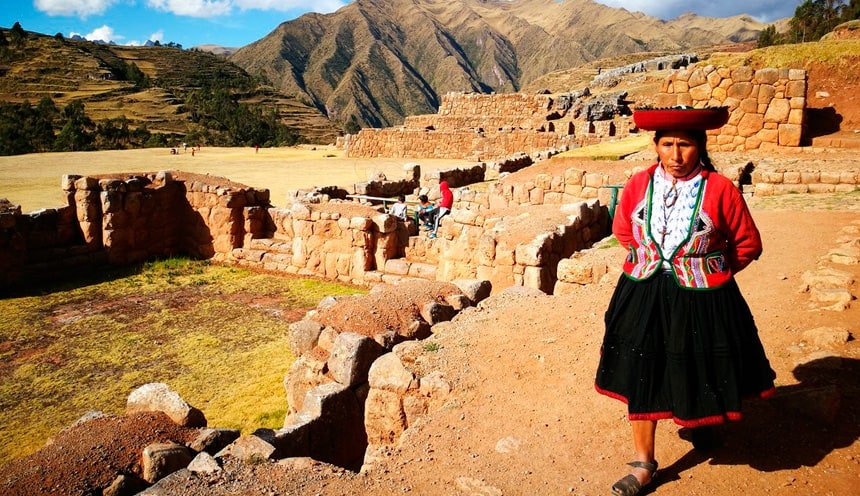
While the Sacred Valley northwest of Cusco absorbs over 85% of tourist transit, an entirely distinct, tranquil, and historically monumental corridor stretches south along the Vilcanota River basin: The South Valley of Cusco.
Here, devoid of the massive tour bus convoys that clog Ollantaytambo, travelers discover two astonishing civilizations juxtaposed within a 20-minute drive: the peerless hydraulic water engineering of the Incas at Tipón, and the colossal pre-Inca geometric megacity of Pikillacta, built by the enigmatic Wari Empire centuries before the Incas rose to power.
Capped by the dazzling golden baroque murals of the church of Andahuaylillas, the South Valley represents one of the most intellectually rewarding half-day excursions in Southern Peru.
Tipón: Hydraulic Mastery & Working Stone Aqueducts
Spanning an amphitheater of 12 stone-walled agricultural terraces at an elevation of 3,560 meters (11,680 feet), Tipón is universally celebrated as the apex of Inca water engineering and hydraulic architecture.
The Eternal Subterranean Spring
The lifeblood of Tipón is a sacred natural spring emerging from the volcanic bedrock near the top ceremonial terraces. The Incas did not merely let this water flow randomly; they channeled it into carved andesite aqueducts, subterranean conduits, and ceremonial stone fountains.
The Synchronized Fountains of the Sun
At the primary ceremonial altar, the stone canal splits with mathematical precision into two identical streams, cascades down a multi-tiered polished stone staircase, and reunites seamlessly in a stone basin below.
- Hydrodynamic Precision: The volume, velocity, and acoustic sound of the cascading water was engineered to remain identical regardless of seasonal monsoon rains or dry winter droughts.
- Spiritual Worship of Water: In the Andean cosmovision, water (Yaku) is a sacred living fluid connecting the sky (Hanan Pacha) to the earth (Kay Pacha). Tipón was an imperial retreat where Inca nobility bathed in consecrated waters during agricultural fertility rites.
Pikillacta: The Colossal Wari Empire Metropolis
Just 15 minutes south of Tipón sits Pikillacta (meaning "Flea City" or "City of the Small Ones" in Quechua), a monumental archaeological contrast to Inca architecture.
Built between 550 AD and 1100 AD by the Wari Empire—the militaristic civilization that ruled central and southern Peru 500 years before the rise of the Incas—Pikillacta is staggering in sheer urban scale:
- Geometric Grid Planning: Unlike the organic, curve-following architecture of the Incas, the Wari constructed a rigid, hyper-organized orthogonal grid system of straight stone walls and rectangular plazas.
- Colossal Mud-and-Stone Walls: More than 700 buildings and massive three-story defensive walls built from fieldstone and red clay plaster rise up to 12 meters (40 feet) high.
- Urban Administration: Pikillacta served as the northern regional administrative capital and military garrison of the Wari Empire, controlling agricultural tribute and trade routes connecting Lake Titicaca to the central highlands.
Andahuaylillas: The Sistine Chapel of the Americas
Continuing 10 minutes further south brings you to the tranquil, tree-lined colonial plaza of Andahuaylillas, home to the church of San Pedro Apóstol.
Constructed by Jesuit missionaries in the late 16th and early 17th centuries atop an ancient Inca temple platform, the church appears humble and understated from its whitewashed exterior.
Step through the heavy cedar doors, however, and you enter a sensory overload of colonial art:
- Gilded Mudéjar Ceiling: The entire ceiling is an intricate wood coffered masterpiece decorated in Iberian-Moorish Mudéjar style, gilded entirely in 24-karat gold leaf.
- Murals of Heaven and Hell: The entrance portal features dramatic 17th-century frescoes depicting the "Path to Heaven" (narrow, thorny, and virtuous) and the "Path to Hell" (wide, seductive, and demonic).
- The Classical Organs: Two of the oldest operational pipe organs in the Americas, hand-painted with musical angels and floral motifs.
South Valley Gastronomy: Tipón Cuy & Saylla Chicharrón
No exploration of the South Valley is complete without immersing yourself in the culinary towns lining the highway:
- Saylla (Km 14): The chicharrón capital of Cusco. Rustic open-air restaurants (chicharronerías) fry thick cuts of seasoned pork in deep copper cauldrons over roaring wood fires, served alongside golden native potatoes, minty red onion relish (sarsa de cebolla), and toasted chulpe corn (canchita).
- Tipón Town (Km 23): The epicenter of roasted guinea pig (cuy al horno). Dozens of open-air cuyerías roast whole guinea pigs in domed clay wood-fired ovens, served with baked rocoto and Andean potatoes.
Logistics: Half-Day Timing & Boleto Turístico Circuit 2
- Duration: A private South Valley tour requires approximately 4.5 to 5 hours, departing Cusco at 8:30 AM and returning around 1:30 PM (or staying for a traditional country lunch).
- Ticketing: Tipón and Pikillacta are included in the Boleto Integral and Boleto Parcial Circuito II. Andahuaylillas church requires an independent ticket of S/ 15 Soles (~$4 USD) cash.
- Zero Crowds: You will often find yourself walking the monumental terraces of Tipón and the stone avenues of Pikillacta in almost total solitude, with fewer than 30 total visitors across the entire archaeological park.