The Great Machu Picchu Trek Dilemma
Almost every traveler wanting to reach Machu Picchu on foot hits the exact same roadblock: "Which trek should I actually book?"
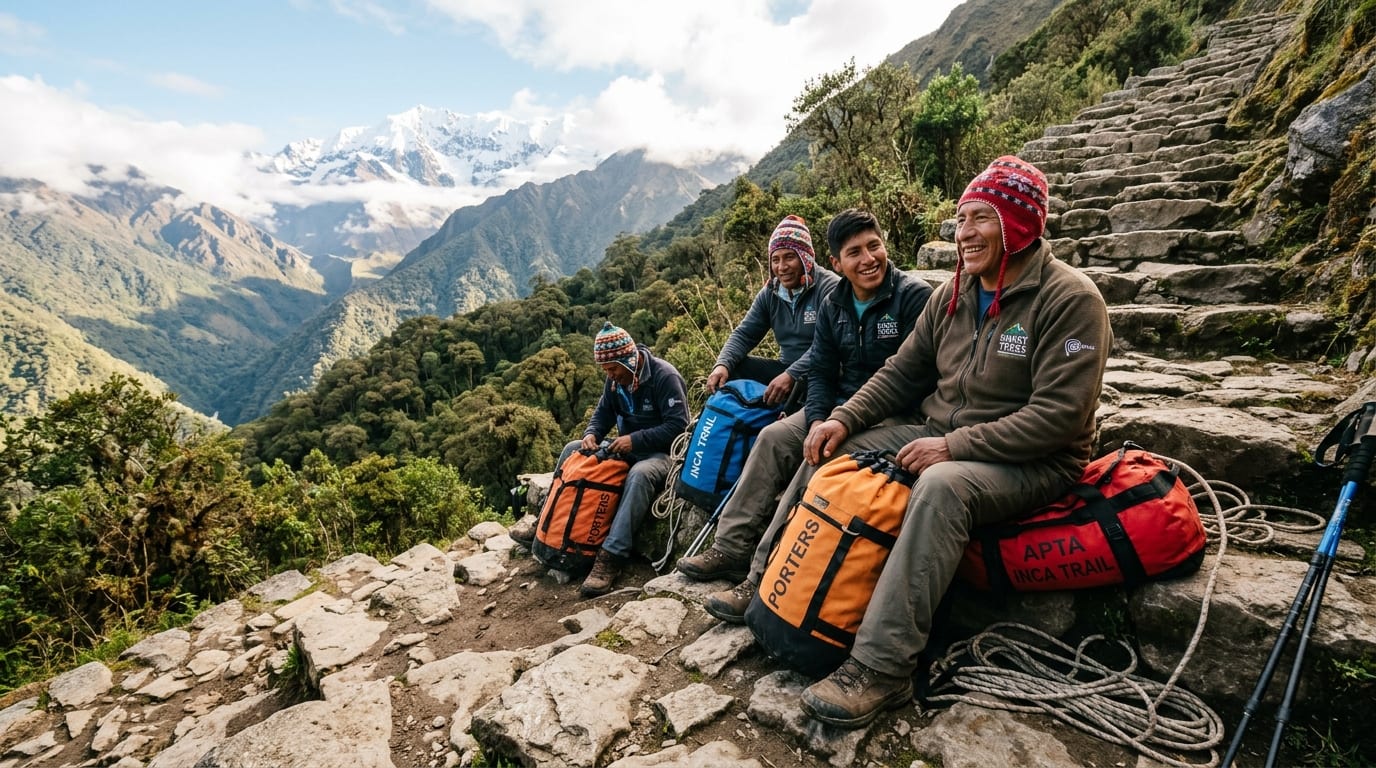
Browse travel forums and you'll get fiercely contradictory advice. Wilderness purists swear by the frozen glaciers of the Salkantay Trek (5 Days). Adrenaline junkies rave about downhill mountain biking and rafting on the Inca Jungle Trek (4 Days). Meanwhile, history lovers insist that nothing beats walking on the original stone flagstones of the Short Inca Trail with Hotel (2 Days).
Here is the truth that generic travel agencies won't tell you: none of these treks is universally "the best." Picking the wrong one can turn your dream bucket-list vacation into four days of freezing exhaustion, while picking the right one will be the undisputed highlight of your life.
As licensed guides based permanently in Cusco, we have led thousands of hikers across all three routes. Here is the unfiltered breakdown of how they compare.
At-a-Glance Comparison: Salkantay vs. Inca Jungle vs. Inca Trail
← Desliza horizontalmente para comparar columnas →
| Metric & Decision Factor | Salkantay Trek (5D/4N) | Inca Jungle Trek (4D/3N) | Short Inca Trail (2D/1N) |
|---|---|---|---|
| Pace & Style | Alpine Mountain Wilderness | Multi-Sport Adrenaline & Sub-Tropics | Historic Royal Hiking & Comfort |
| Starting Price (USD) | $450 per person | $450 per person | $550 per person |
| Max Altitude | 4,630m / 15,190 ft (Punishing) | 4,350m / 14,271 ft (Biking only) | 2,720m / 8,923 ft (Gentle) |
| Effective Oxygen at Peak | 58% (Severe soroche risk) | 60% at pass ➔ 85% in valley | 74% (Extremely low soroche risk) |
| Accommodations | 3 Nights Tents + 1N Hotel | 2 Nights Jungle Lodges + 1N Hotel | 1 Night 3-Star Hotel in Town |
| Key Activities | Humantay Lake, Salkantay Pass | 55km Biking, Rafting, Zipline | Wiñay Wayna & Sun Gate on foot |
| Permit Availability | Open year-round (No trail caps) | Open year-round (No trail caps) | Strict 250 daily permit cap |
| Entry into Machu Picchu | Consettur bus from town | Consettur bus from town | Walk through Sun Gate (Inti Punku) |
1. Salkantay Trek: Glacial Spikes & Alpine Drama
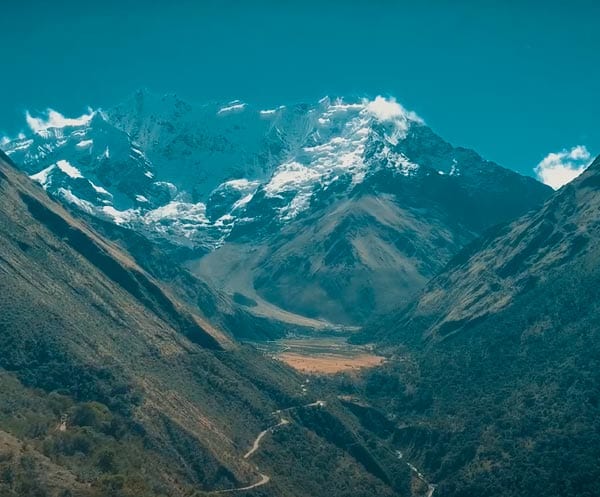
The Salkantay Trek is rated by National Geographic as one of the world's premier alpine pilgrimages. It takes you right beneath the imposing jagged glaciated massif of Mount Salkantay (6,271m / 20,574 ft), the sacred protector Apu of the Cusco region.
- The Highlights: Standing in awe at the turquoise waters of Laguna Humantay (4,200m), conquering the barren scree of Salkantay Pass (4,630m), and gazing up at icefalls and hanging glaciers.
- The Reality: It is physically demanding and very cold. On Night 1 in Soraypampa (3,900m), temperatures frequently drop below freezing (25°F / -4°C). If you suffer from cold intolerance, joint pain, or asthma, the combination of sub-zero night air and 58% barometric oxygen can be brutal.
- Ideal Traveler: Fit hikers, mountain enthusiasts, and backpackers who thrive on alpine wilderness drama and appreciate authentic 4-season mountain camping.
2. Inca Jungle Trek: Downhill Biking, Rafting & Warm Valleys
The Inca Jungle Trek to Machu Picchu is the complete antithesis of high-altitude alpine suffering. Rather than climbing up toward the ice, this route uses bicycles to plunge 2,000 vertical meters downward from Abra Málaga pass into the lush, warm high jungle of Santa María.
- The Highlights:
- Coasting 55 kilometers of paved asphalt downhill on Kona front-suspension mountain bikes through cloud forest mist.
- Optional Class III whitewater rafting on the Urubamba River (+$30 USD).
- Hiking along authentic paved stone sections of the Incan royal trail through fruit orchards, coffee fields, and granadilla vines.
- Soaking in the steaming volcanic pools of Cocalmayo in Santa Teresa.
- Optional canopy zip-line soaring over vertical granite river canyons (+$30 USD).
- The Reality: You sleep in real beds in local lodges and an Aguas Calientes hotel every night with private bathrooms and hot water. Because you spend 90% of the trek between 1,200m and 1,800m, altitude sickness is virtually nonexistent.
- Ideal Traveler: Active travelers (ages 18–45), couples, and groups of friends who want high energy, varied adventure sports, warm weather, and genuine fun without alpine exhaustion.
3. Short Inca Trail: The Sun Gate Route with Hotel Comfort
For decades, travelers believed that walking on the genuine Incan flagstones meant enduring the arduous 4-day Classic Inca Trail with four days without showers and sleeping in soggy tents.
The Short Inca Trail 2 Days with Hotel changed everything. It boards the scenic train to Km 104 (Chachabamba) and concentrates the single most scenic archaeological segment of the entire trail into one exhilarating day of hiking.
- The Highlights:
- Exploring the steep megalithic hanging terraces and cascading stone water fountains of Wiñay Wayna (2,650m / 8,694 ft)—widely considered more architecturally intricate than Machu Picchu itself.
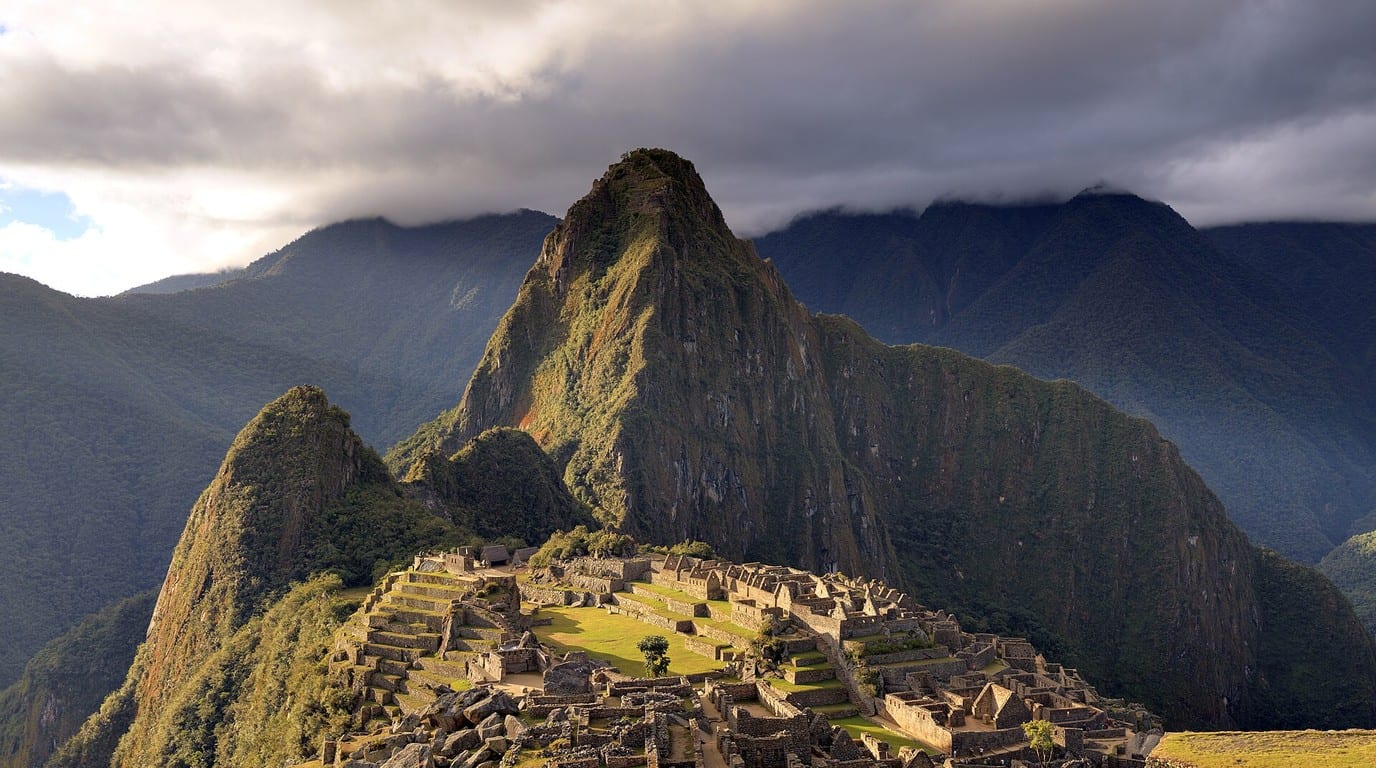
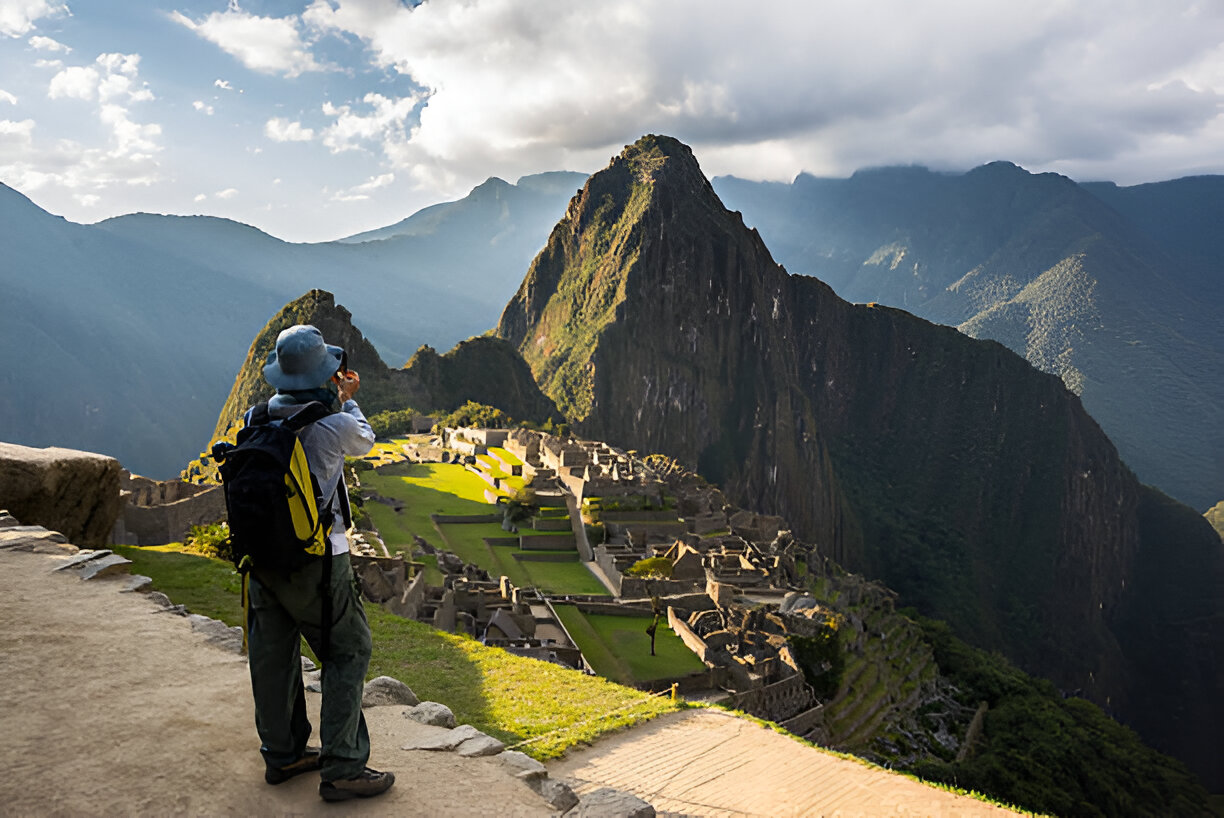
- Walking through Inti Punku (The Sun Gate) late in the afternoon at 2,720m, capturing the legendary postcard vista of Machu Picchu when day-trippers have already gone home.
- Taking the bus down to Aguas Calientes to sleep in a comfortable 3-star hotel with private bathroom, hot shower, and Wi-Fi, followed by a full guided citadel tour the next morning.
- The Reality: It requires government permits issued strictly under your legal passport name through SERNANP. Only 250 hikers are permitted per day, so you must book 1 to 3 months ahead.
- Ideal Traveler: Couples, families with teenagers, photographers, and executives with limited time who demand authentic historical prestige combined with hotel sleeping comfort.
Altitude, Cold & Sleeping Comfort: The Brutal Truth
When evaluating treks, travelers almost always underestimate two factors: nighttime cold and barometric oxygen pressure.
- On Salkantay: You sleep at 3,900m (Soraypampa) and cross 4,630m. You have roughly 58% of the oxygen molecules per breath that you would have at sea level. If you haven't acclimatized for at least 48 to 72 hours in Cusco, severe headaches and nausea are common.
- On the Inca Jungle: You start at 4,350m on bikes, but you are descending continuously. Within 90 minutes you are down at 2,000m, and by lunch you are at 1,200m where oxygen levels are above 85%. You sleep in warm subtropical air (65°F / 18°C) without heavy thermal underwear.
- On the Short Inca Trail: The maximum elevation is 2,720m at the Sun Gate. This is nearly 700 meters lower than the city of Cusco (3,399m). If you survived your arrival in Cusco without medical distress, you will feel exceptional on the Short Inca Trail.
The Cusco Guide Verdict: How to Choose in 60 Seconds
- Choose the Inca Jungle Trek (4D/3N - $450 USD) if: You love sports, want warm weather, love downhill cycling and hot springs, and want the best price-to-adrenaline ratio in Peru without freezing.
- Choose the Salkantay Trek (5D/4N - $450 USD) if: You are physically fit, crave towering glacial peaks, dream of turquoise glacial lakes (Humantay), and enjoy rugged high-mountain trekking.
- Choose the Short Inca Trail (2D/1N - $550 USD) if: You want the bucket-list honor of entering Machu Picchu through the Sun Gate on foot, have only 3–5 days in Cusco, and refuse to sleep in wilderness tents.